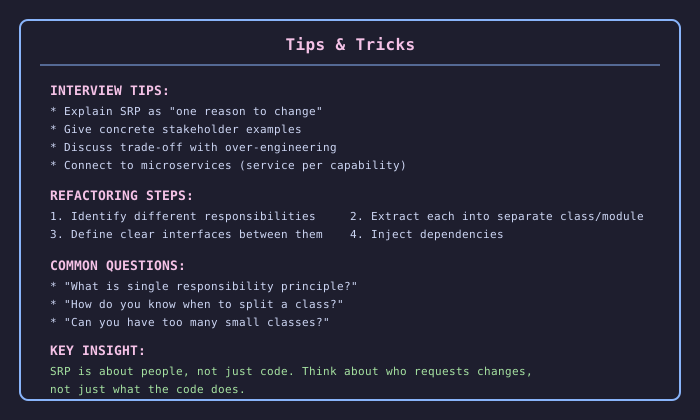
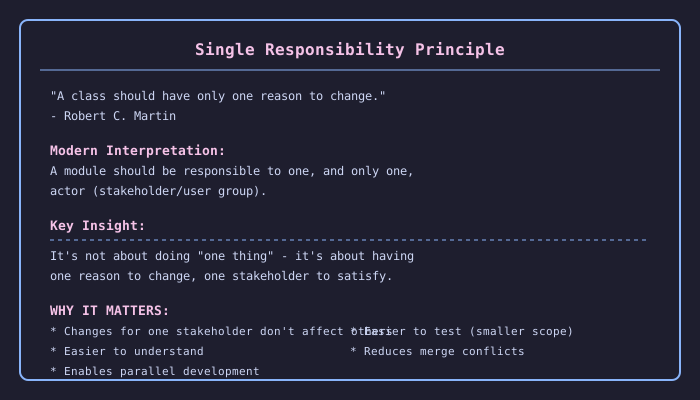
Single Responsibility
Definition
Violation Example
// BAD: Multiple responsibilities - multiple reasons to change
public class Employee {
    private String name;
    private double salary;

    // Responsibility 1: HR - employee data management
    public void setName(String name) { this.name = name; }
    public String getName() { return name; }

    // Responsibility 2: Accounting - payroll calculations
    public double calculatePay() {
        // Complex tax calculations
        // Different rules for different employee types
        return salary * 0.8;  // After tax
    }

    // Responsibility 3: IT/Reporting - data persistence
    public void saveToDatabase() {
        // SQL queries, connection handling
        // Database-specific code
    }

    // Responsibility 4: IT/Reporting - report generation
    public String generateReport() {
        // Formatting, layout
        // Report-specific logic
        return "Employee Report: " + name;
    }
}

// Problems:
// - Tax law changes → modify this class
// - Database schema changes → modify this class
// - Report format changes → modify this class
// - HR policy changes → modify this class
// All unrelated changes in one place!
Proper Implementation
// GOOD: Each class has one responsibility

// Responsibility: Employee data (HR stakeholder)
public class Employee {
    private String id;
    private String name;
    private EmployeeType type;

    public Employee(String id, String name, EmployeeType type) {
        this.id = id;
        this.name = name;
        this.type = type;
    }

    // Only getters/setters for employee data
    public String getId() { return id; }
    public String getName() { return name; }
    public EmployeeType getType() { return type; }
}

// Responsibility: Pay calculations (Accounting stakeholder)
public class PayrollCalculator {
    private TaxService taxService;

    public PayrollCalculator(TaxService taxService) {
        this.taxService = taxService;
    }

    public Money calculatePay(Employee employee, PayPeriod period) {
        Money grossPay = calculateGrossPay(employee, period);
        Money taxes = taxService.calculateTaxes(grossPay, employee);
        return grossPay.subtract(taxes);
    }

    private Money calculateGrossPay(Employee employee, PayPeriod period) {
        // Pay calculation logic
    }
}

// Responsibility: Persistence (IT/DBA stakeholder)
public class EmployeeRepository {
    private DataSource dataSource;

    public void save(Employee employee) {
        // Database persistence logic
    }

    public Employee findById(String id) {
        // Database query logic
    }
}

// Responsibility: Report generation (Reporting stakeholder)
public class EmployeeReportGenerator {
    public Report generate(Employee employee, ReportFormat format) {
        // Report formatting logic
    }
}
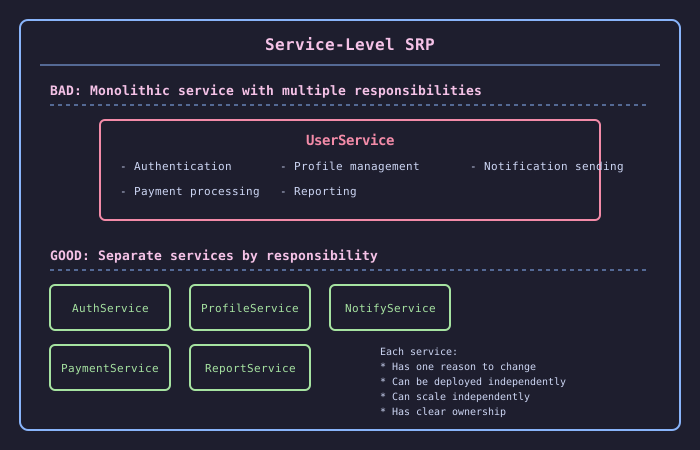
Service-Level SRP
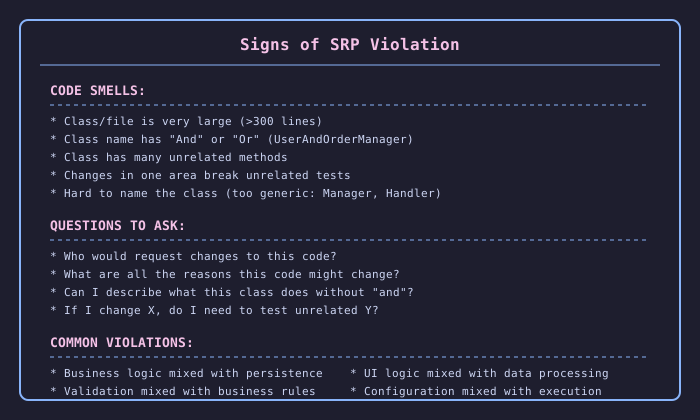
Signs of SRP Violation
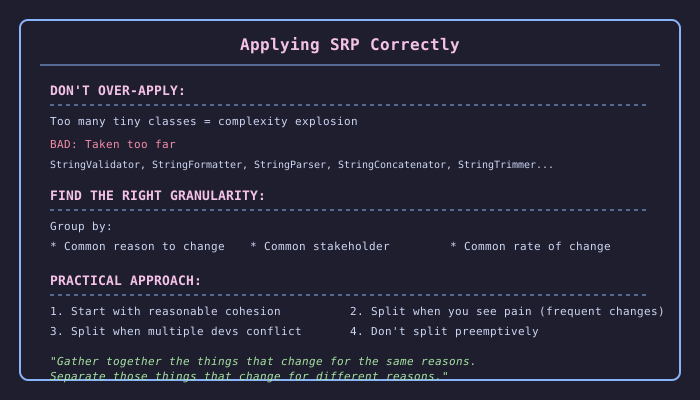
Applying SRP Correctly
Tips & Tricks