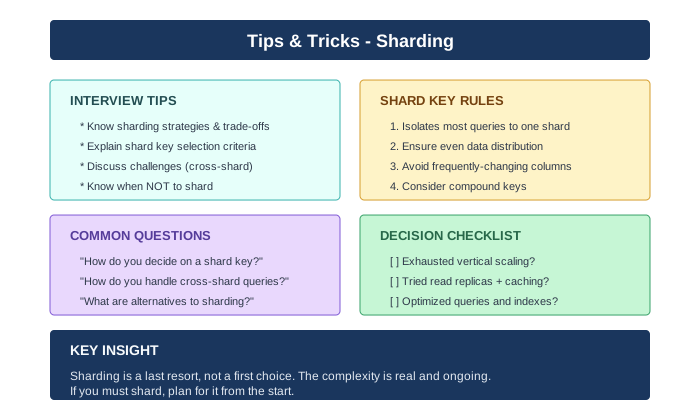
Database Sharding
Definition
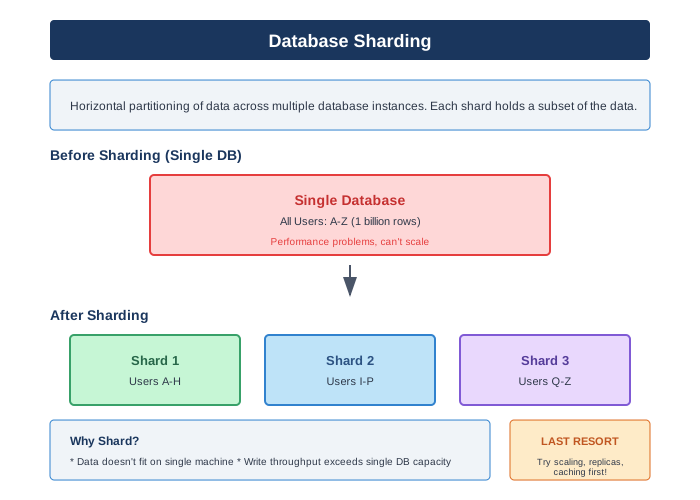
Sharding Strategies
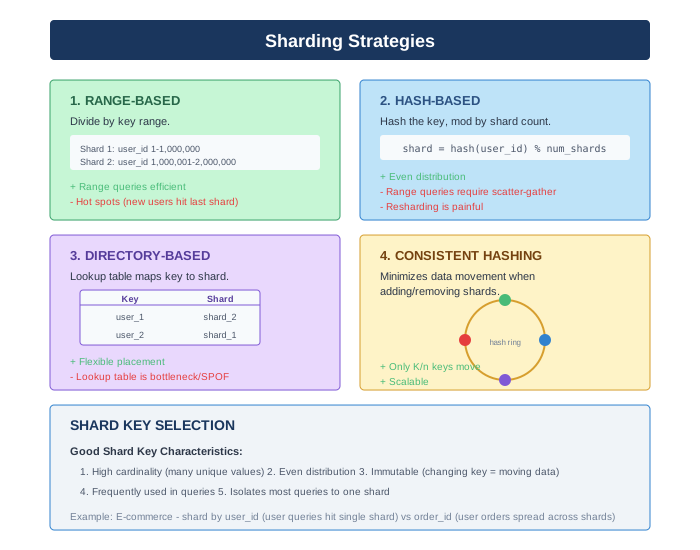
Shard Key Selection
// SHARD KEY: The column used to determine shard placement

// GOOD SHARD KEY CHARACTERISTICS:
// 1. High cardinality (many unique values)
// 2. Even distribution
// 3. Immutable (changing key = moving data)
// 4. Frequently used in queries

// EXAMPLE: E-commerce application

// Option 1: Shard by user_id
// ✓ User data isolated to one shard
// ✓ User queries hit single shard
// ✗ Orders for one product spread across all shards

// Option 2: Shard by order_id
// ✓ Orders evenly distributed
// ✗ User's orders spread across all shards
// ✗ User dashboard requires cross-shard query

// Option 3: Compound shard key (user_id, order_date)
// Can efficiently query user's recent orders

// MULTI-TENANT SHARDING
// Shard by tenant_id
// ✓ Tenant data isolation
// ✓ Easy to move entire tenant
// ✓ Per-tenant queries efficient

class ShardRouter {
    int getShardForUser(long userId) {
        return Math.abs(Long.hashCode(userId)) % numShards;
    }

    DataSource getDataSource(long userId) {
        int shard = getShardForUser(userId);
        return shardDataSources.get(shard);
    }

    // Cross-shard query (expensive!)
    List<Order> getAllOrders() {
        return shardDataSources.parallelStream()
            .flatMap(ds -> queryOrders(ds).stream())
            .collect(Collectors.toList());
    }
}
Sharding Challenges
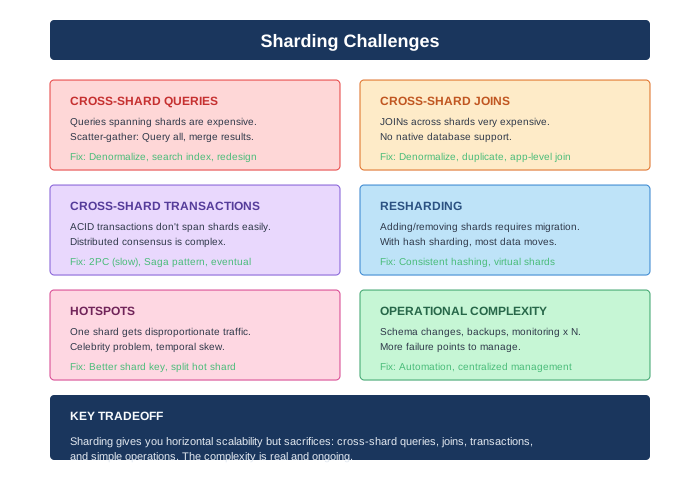
Implementation Patterns
// ROUTING LAYER

// Application-level routing
@Service
class UserService {
    @Autowired
    private Map<Integer, DataSource> shardDataSources;

    User getUser(long userId) {
        int shard = getShard(userId);
        DataSource ds = shardDataSources.get(shard);
        return queryUser(ds, userId);
    }

    private int getShard(long userId) {
        return Math.abs(Long.hashCode(userId)) % shardDataSources.size();
    }
}

// Proxy-based routing (e.g., Vitess, ProxySQL)
// Application connects to proxy
// Proxy routes to correct shard
// Transparent to application

// GLOBAL TABLES (replicated everywhere)
// For small, rarely-changing lookup data
// - Countries, currencies, config
// Replicated to all shards for local joins

// SCATTER-GATHER QUERY
List<Product> searchProducts(String term) {
    return shardDataSources.parallelStream()
        .flatMap(ds -> {
            try {
                return search(ds, term).stream();
            } catch (Exception e) {
                return Stream.empty(); // Handle shard failure
            }
        })
        .sorted(Comparator.comparing(Product::getRelevance).reversed())
        .limit(100)
        .collect(Collectors.toList());
}

// SEQUENCE GENERATION (unique IDs across shards)
// Option 1: UUID (no coordination)
// Option 2: Snowflake IDs (timestamp + machine + sequence)
// Option 3: Dedicated sequence service
Alternatives to Sharding
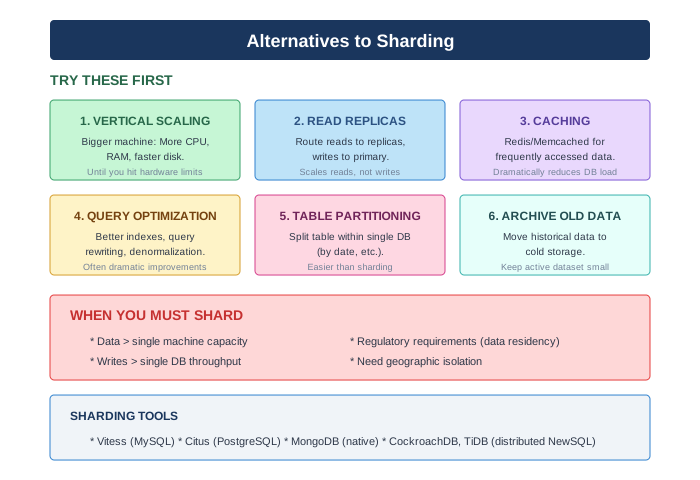
Tips & Tricks