Architecture Patterns
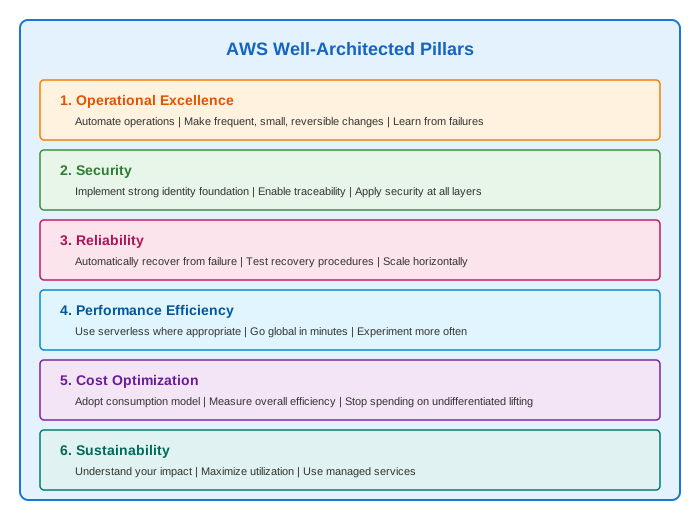
Well-Architected Framework
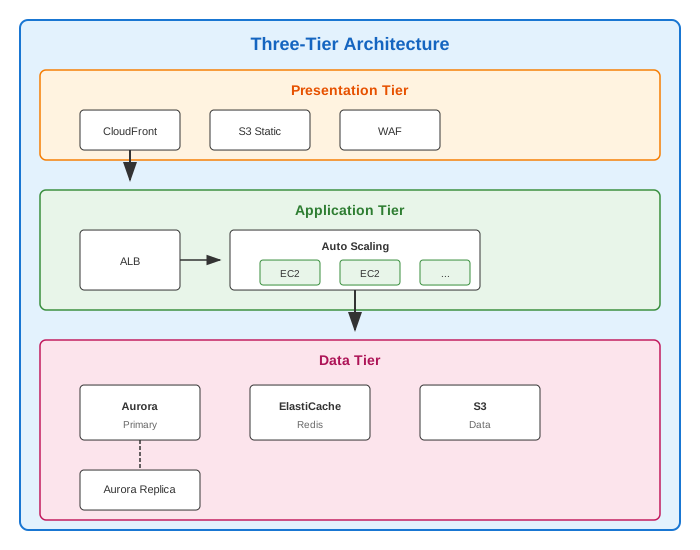
Multi-Tier Architecture
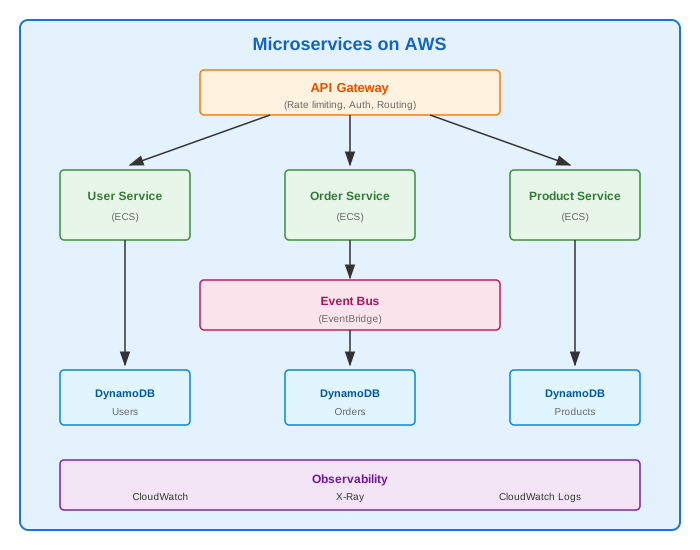
Microservices Architecture
Event-Driven Architecture
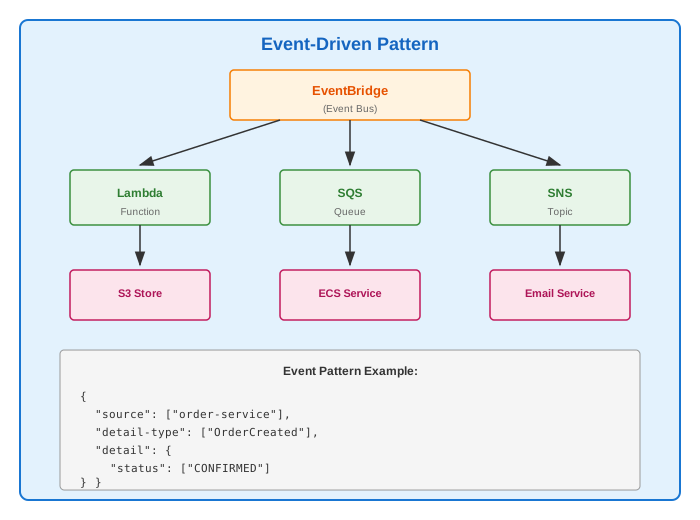
Event-Driven Implementation
// Event Publisher
@Service
public class OrderEventPublisher {

    private final EventBridgeClient eventBridge;

    public void publishOrderCreated(Order order) {
        PutEventsRequestEntry entry = PutEventsRequestEntry.builder()
            .source("order-service")
            .detailType("OrderCreated")
            .detail(toJson(new OrderCreatedEvent(
                order.getId(),
                order.getUserId(),
                order.getTotal(),
                Instant.now()
            )))
            .eventBusName("orders")
            .build();

        eventBridge.putEvents(PutEventsRequest.builder()
            .entries(entry)
            .build());
    }
}

// Event Consumer (Lambda)
public class OrderCreatedHandler implements RequestHandler<ScheduledEvent, Void> {

    @Override
    public Void handleRequest(ScheduledEvent event, Context context) {
        OrderCreatedEvent orderEvent = parseDetail(event.getDetail());

        // Process event
        notificationService.sendOrderConfirmation(orderEvent);
        inventoryService.reserveItems(orderEvent);

        return null;
    }
}
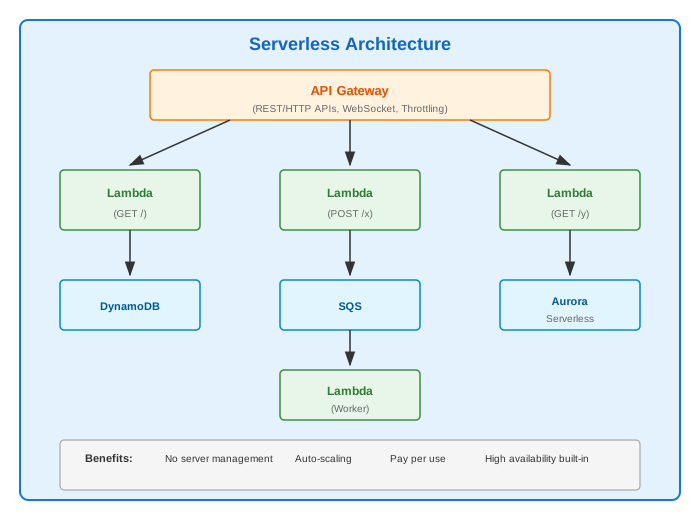
Serverless Architecture
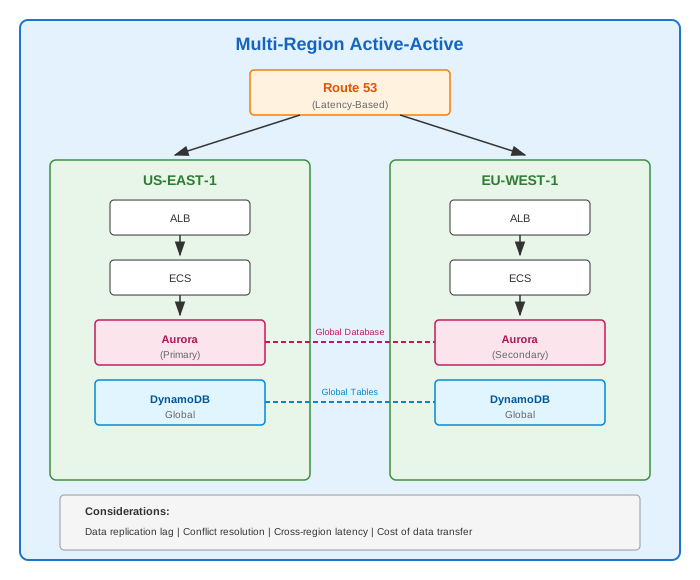
Multi-Region Architecture
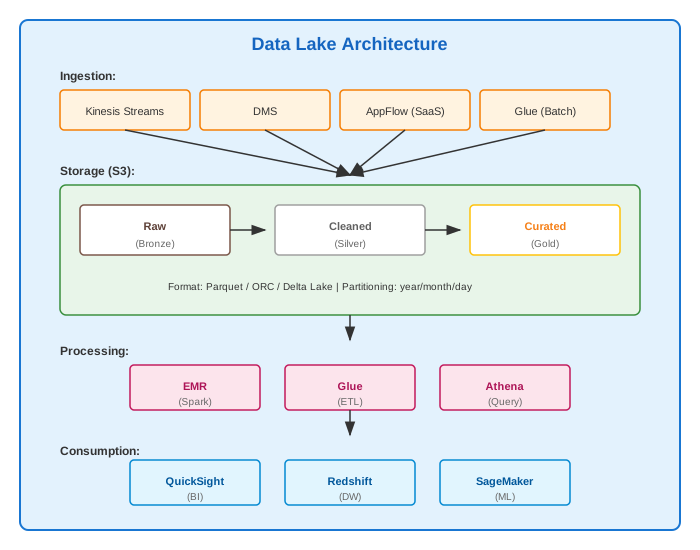
Data Lake Architecture
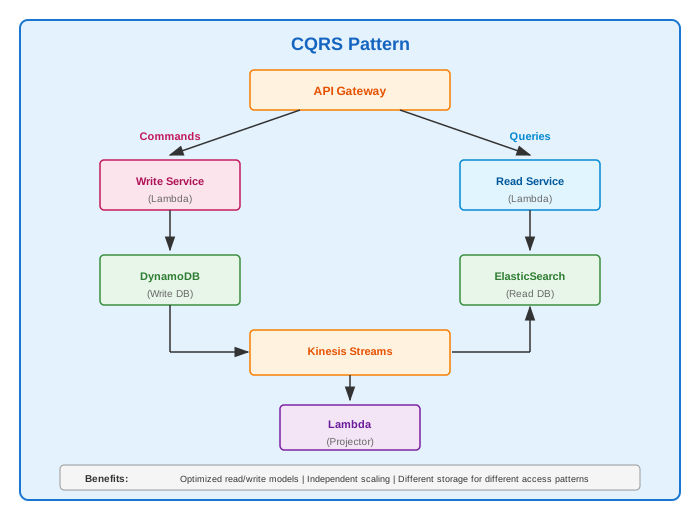
CQRS Pattern in Cloud
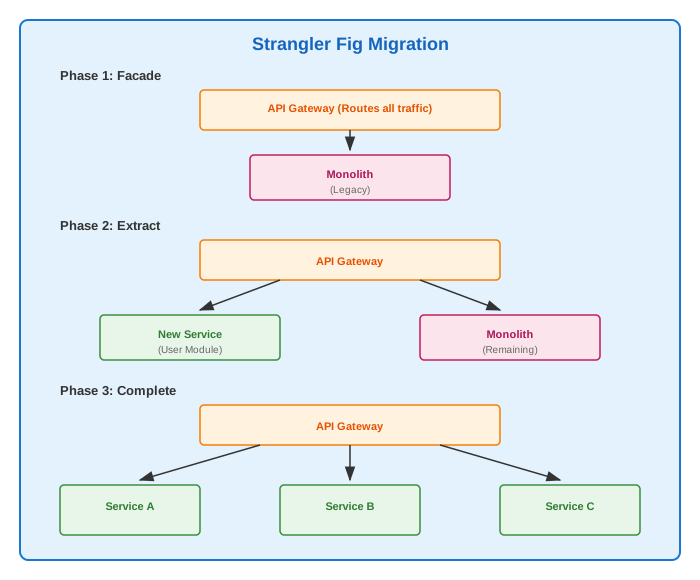
Strangler Fig Pattern
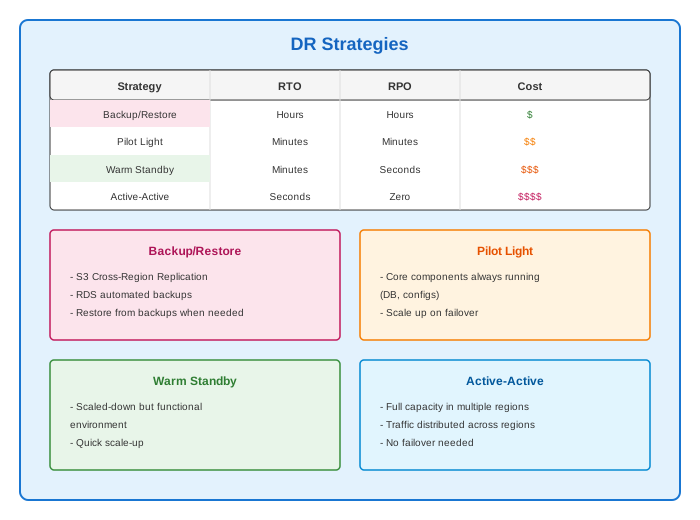
Disaster Recovery Patterns
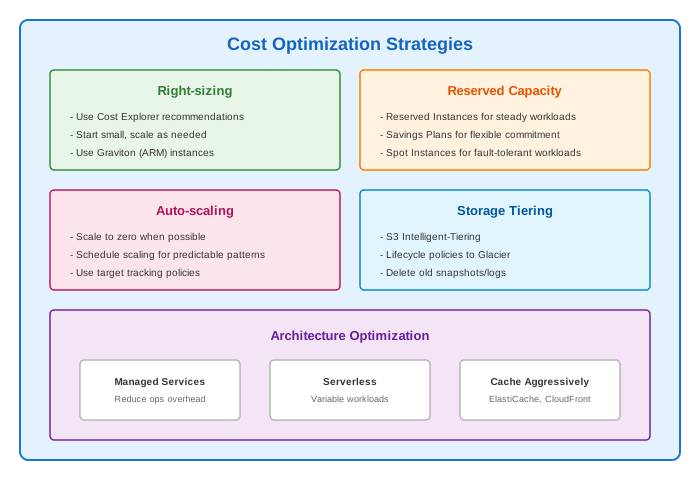
Cost Optimization Patterns
Common Interview Questions
- How to design for high availability?
- Multi-AZ deployments
- Auto Scaling
- Health checks and failover
-
Stateless application design
-
Active-Active vs Active-Passive?
- Active-Active: Both regions serve traffic
- Active-Passive: Standby only for failover
-
Trade-offs: cost, complexity, latency
-
How to handle data consistency across regions?
- Eventually consistent replication
- Use global tables (DynamoDB)
- Design for idempotency
-
Handle conflicts appropriately
-
When to use serverless vs containers?
- Serverless: Variable load, event-driven, short tasks
-
Containers: Long-running, predictable load, complex apps
-
How to migrate from monolith to microservices?
- Strangler Fig pattern
- Start with bounded contexts
- Extract incrementally
- Use API Gateway as facade