TCP/IP Deep Dive
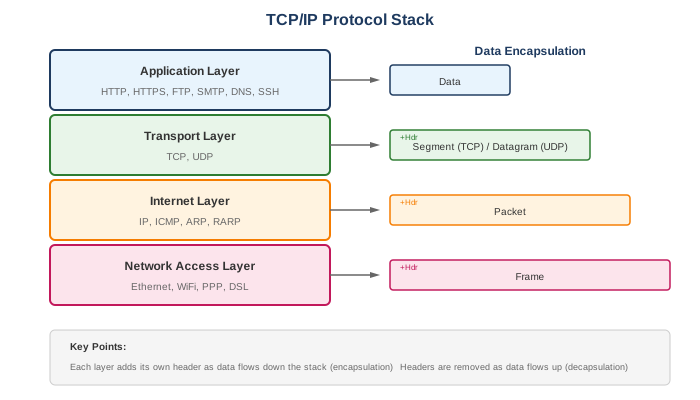
TCP/IP Model Overview
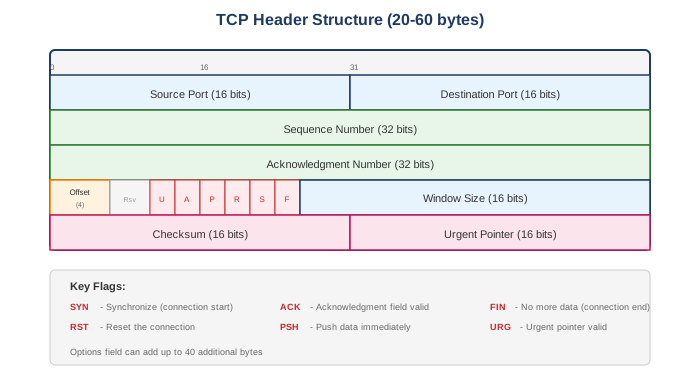
TCP Header Structure
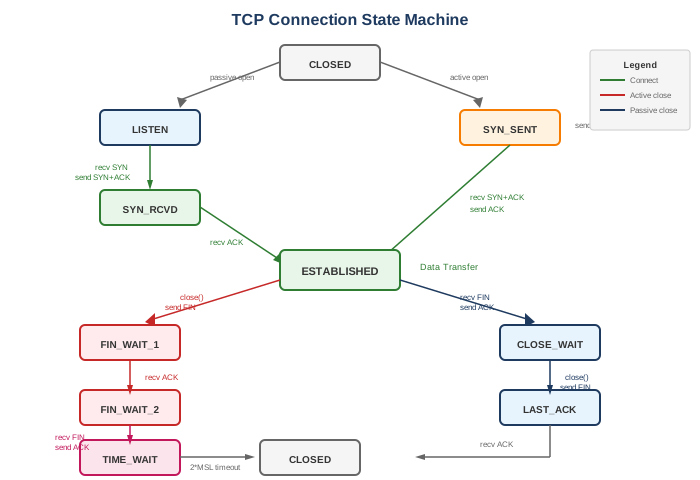
TCP Connection States
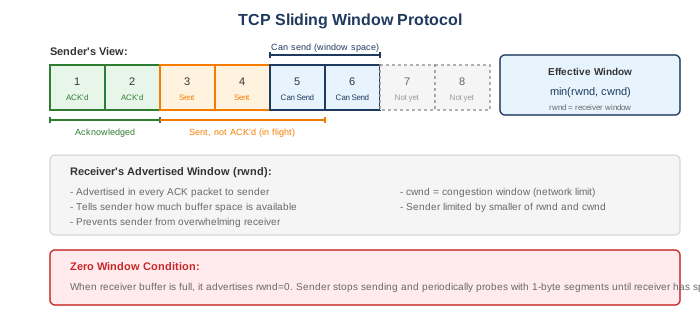
TCP Flow Control
TCP Congestion Control
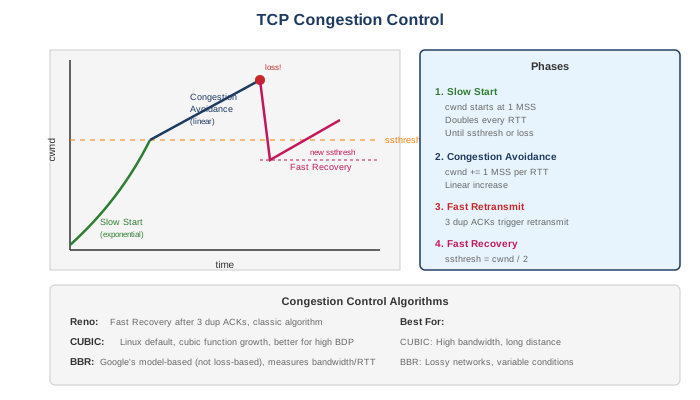
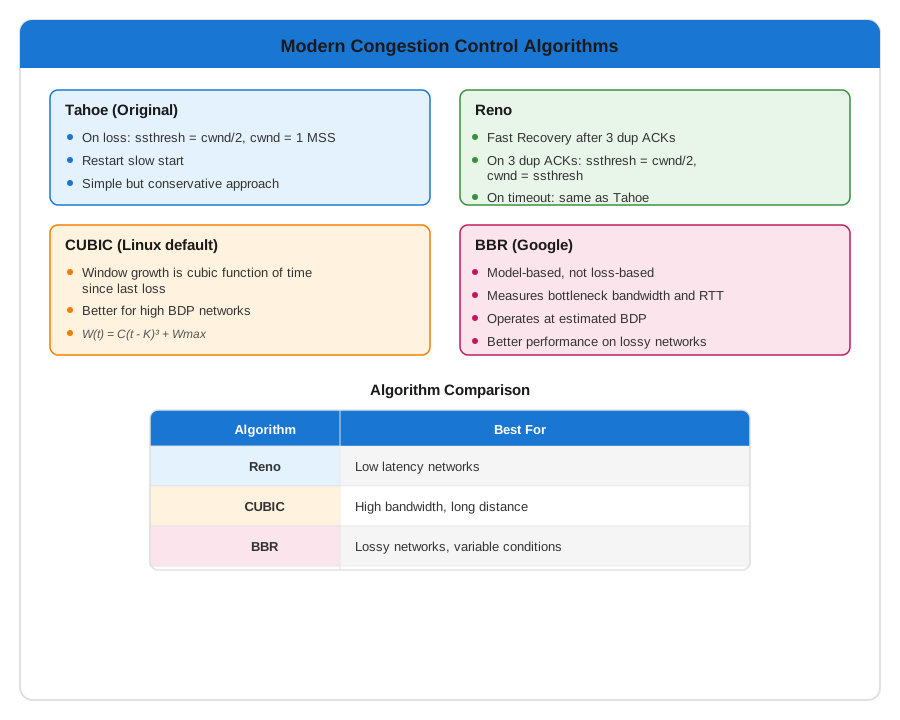
TCP Congestion Control Algorithms
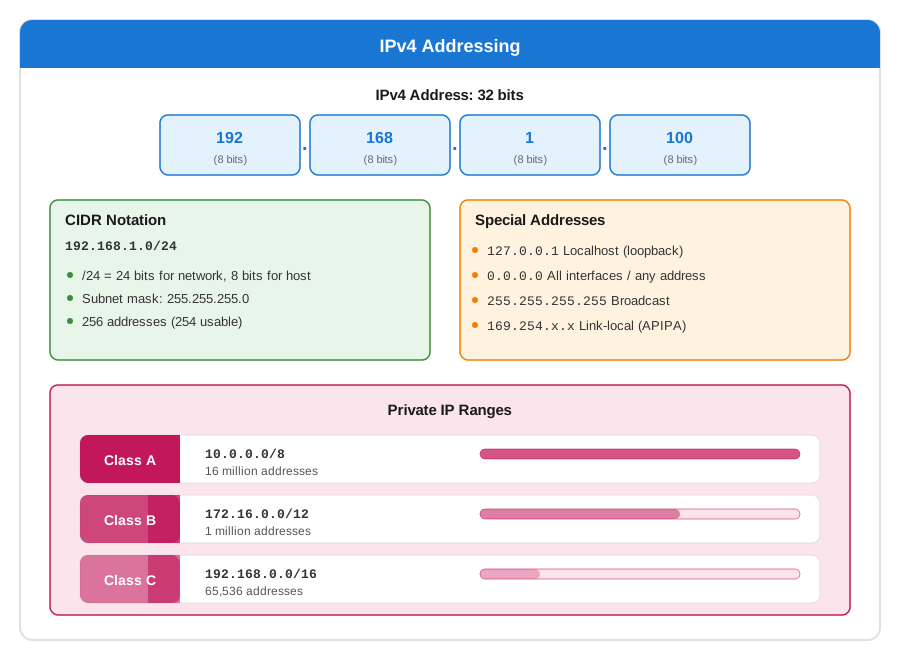
IP Addressing
NAT (Network Address Translation)
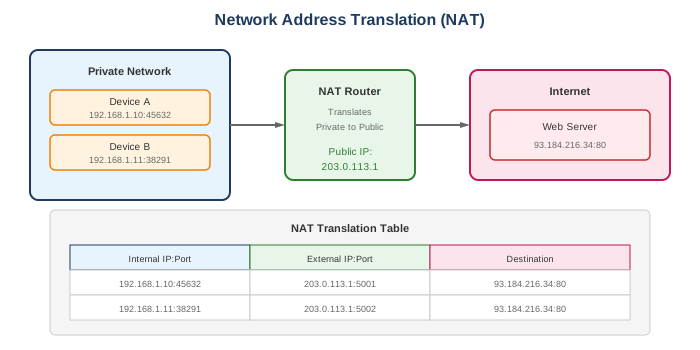
NAT Types
- SNAT: Source NAT (outbound, changes source IP)
- DNAT: Destination NAT (inbound, port forwarding)
- PAT: Port Address Translation (many-to-one)
NAT Traversal Techniques
- STUN: Session Traversal Utilities for NAT
- TURN: Traversal Using Relays around NAT
- ICE: Interactive Connectivity Establishment
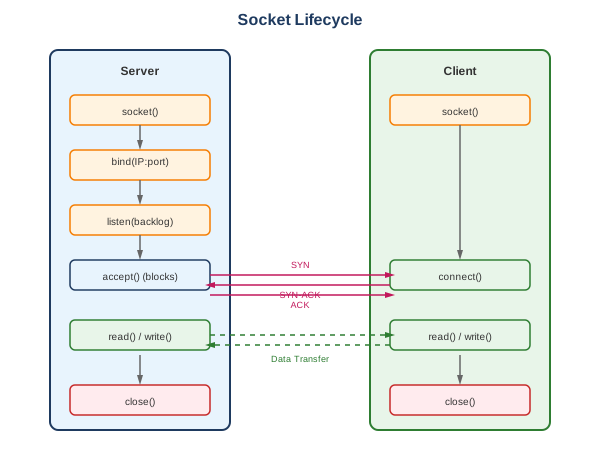
Socket Programming
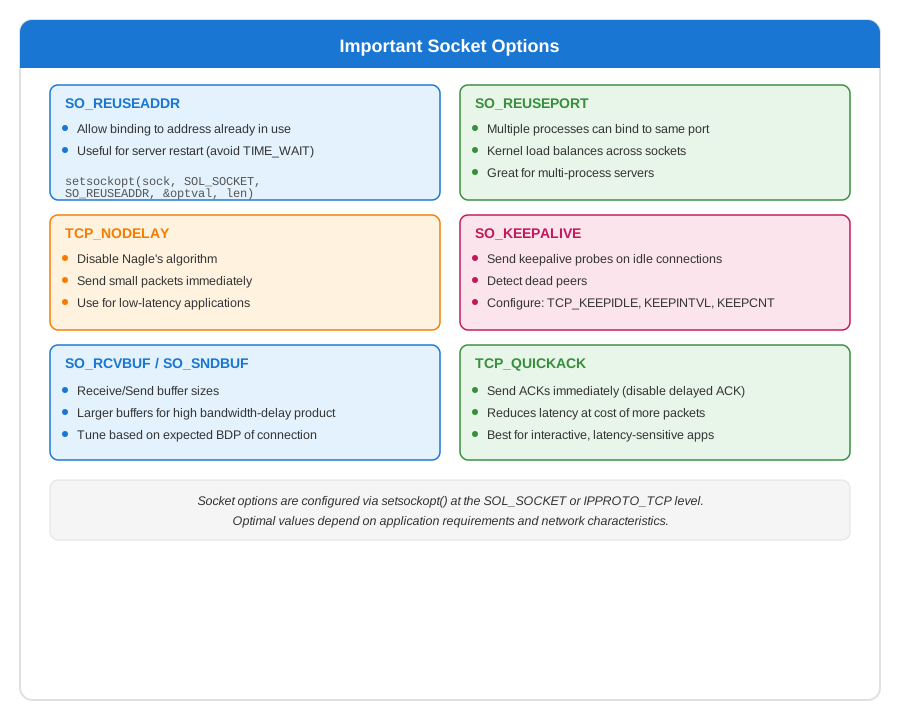
Socket Options
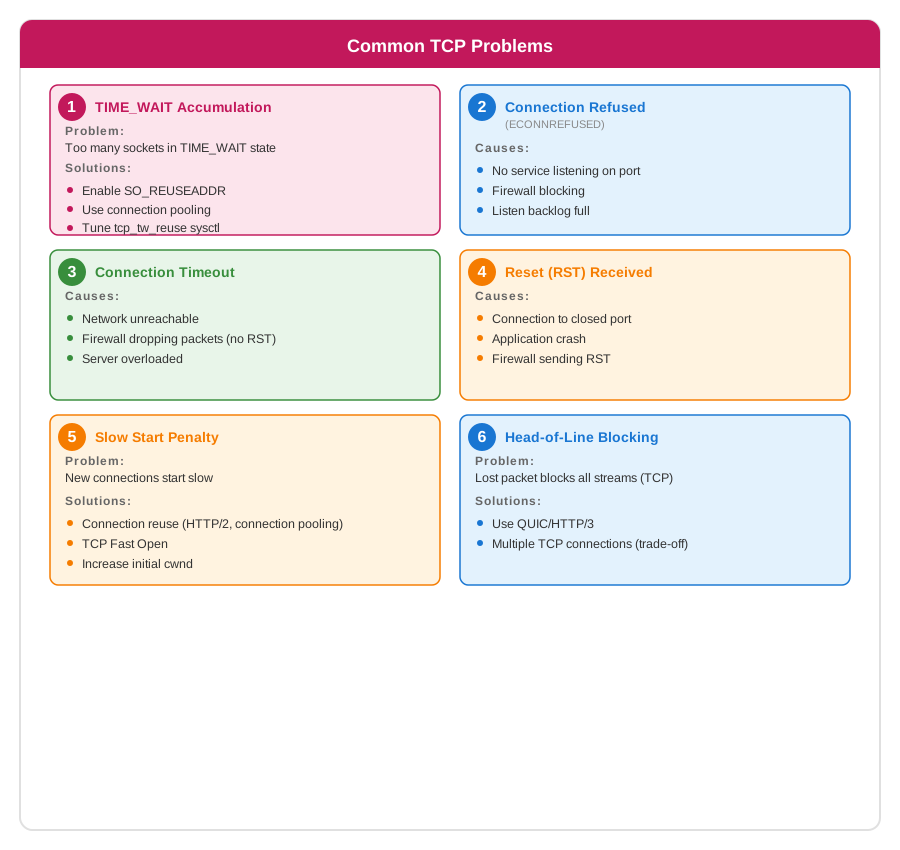
Common TCP Issues
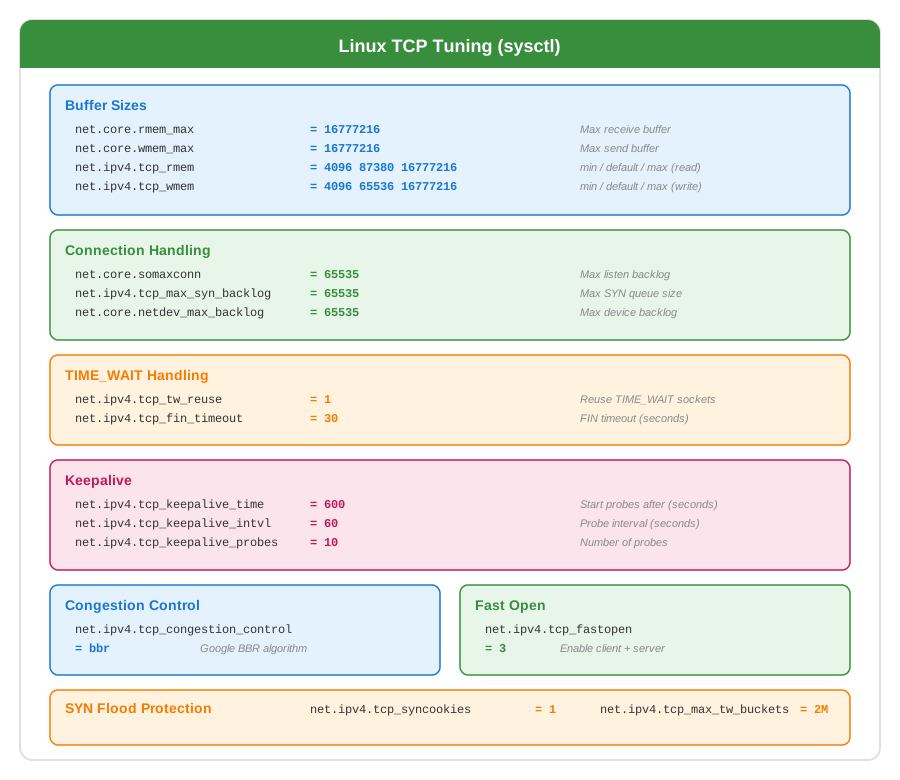
TCP Tuning Parameters
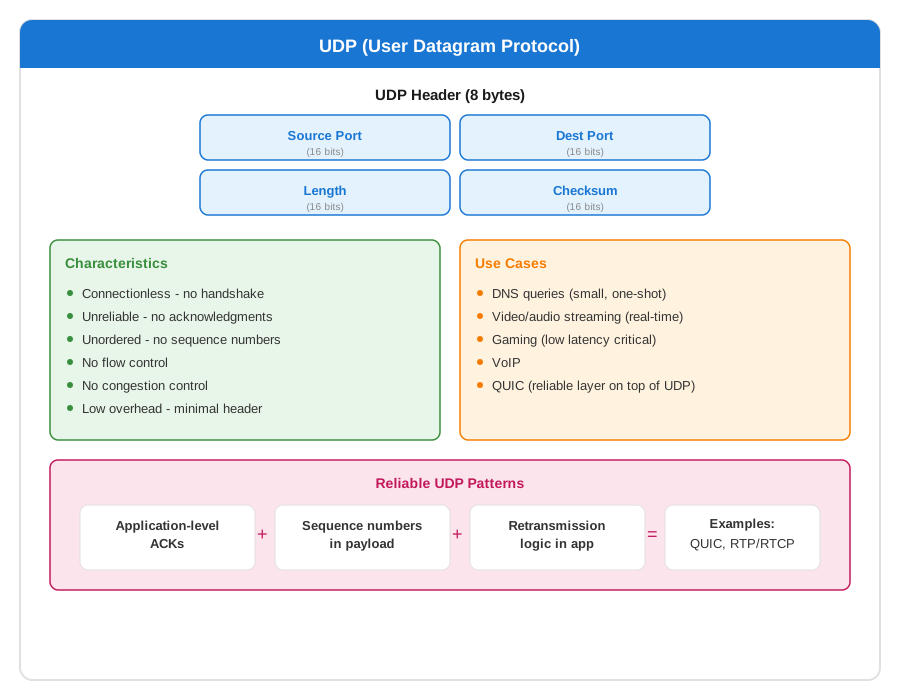
UDP Characteristics
Interview Questions
- Explain TCP three-way handshake
- SYN → SYN-ACK → ACK
- Establishes sequence numbers both directions
-
Takes 1.5 RTT
-
Why does TIME_WAIT exist?
- Ensures delayed packets don't corrupt new connections
- Allows final ACK to be retransmitted if lost
-
Duration: 2 × MSL (Maximum Segment Lifetime)
-
How does TCP handle packet loss?
- Timeout-based retransmission
- Fast retransmit (3 duplicate ACKs)
-
Selective acknowledgments (SACK)
-
What is TCP slow start?
- Initial congestion window = 1 MSS
- Doubles every RTT until ssthresh or loss
-
Avoids flooding network initially
-
TCP vs UDP: When to use each?
- TCP: Reliability needed (HTTP, databases)
- UDP: Low latency, loss tolerant (gaming, video)
- *