DNS Deep Dive
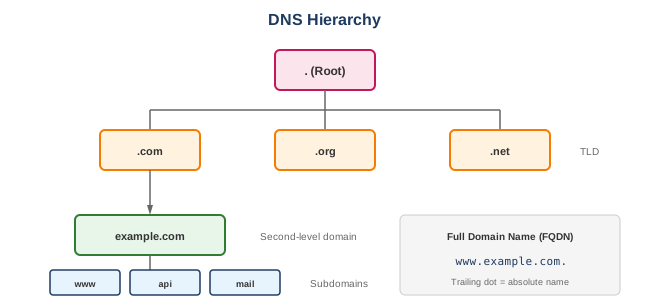
DNS Overview
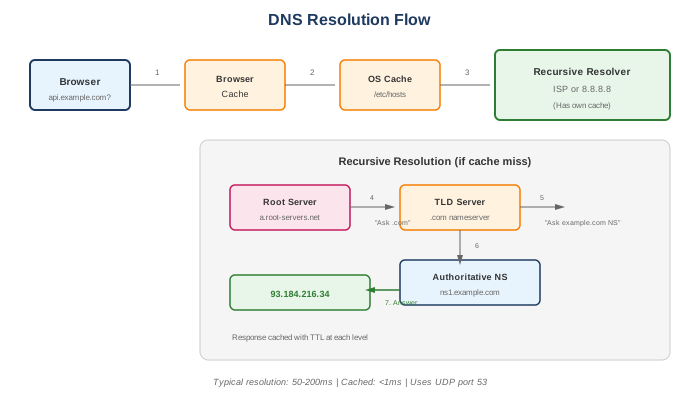
DNS Resolution Process
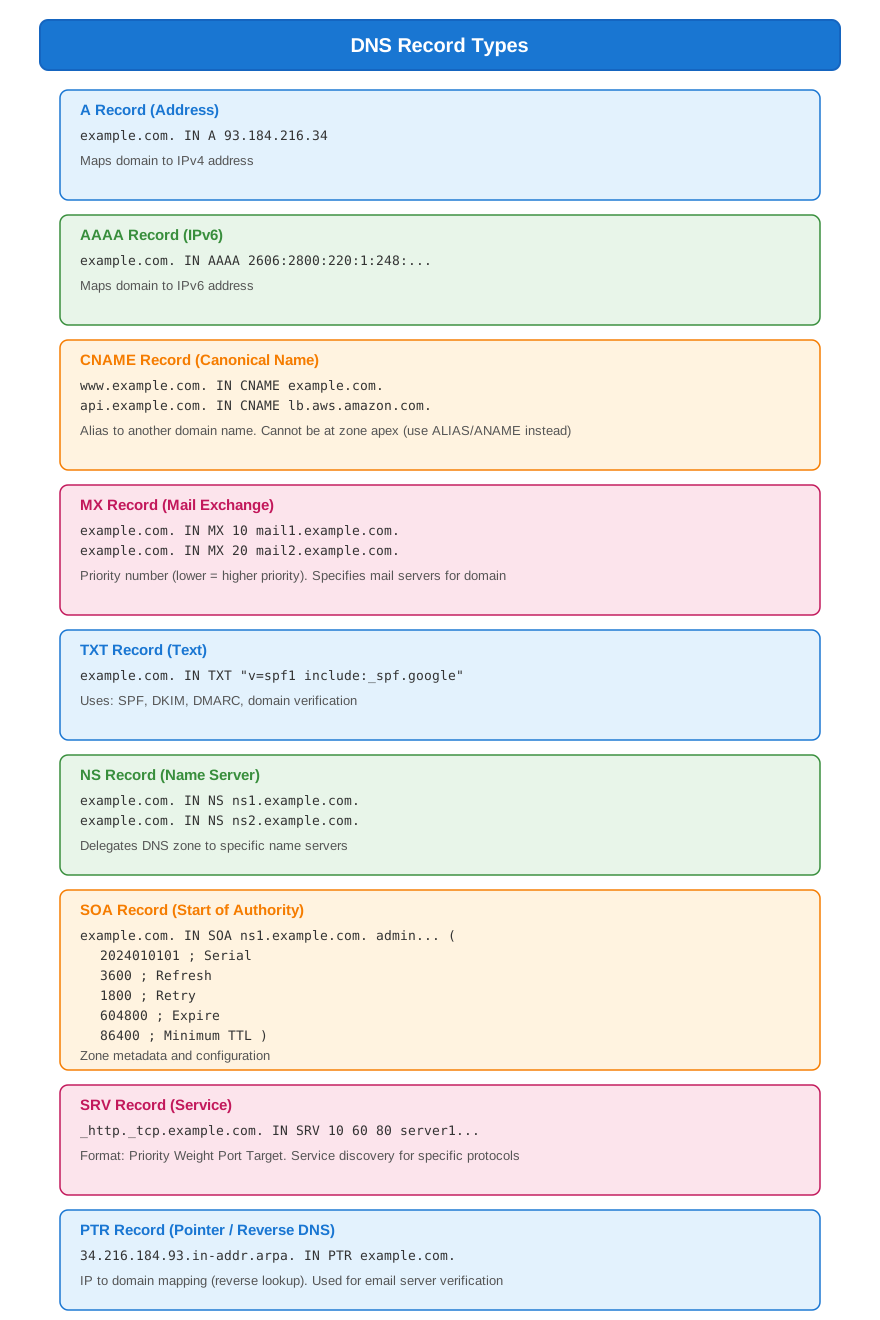
DNS Record Types
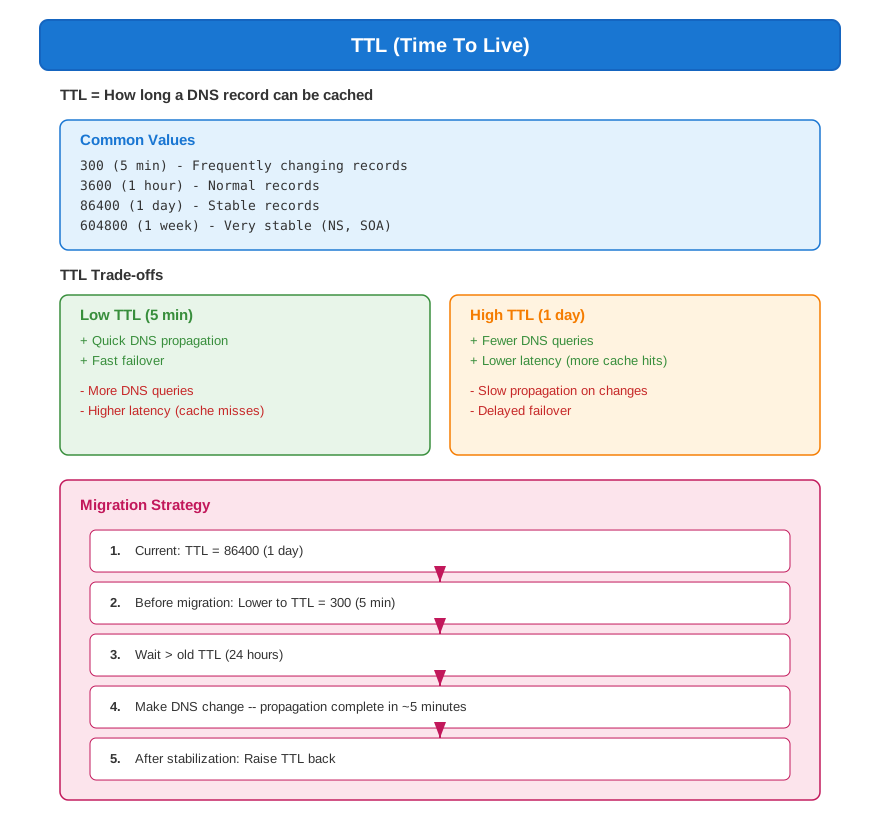
TTL (Time To Live)
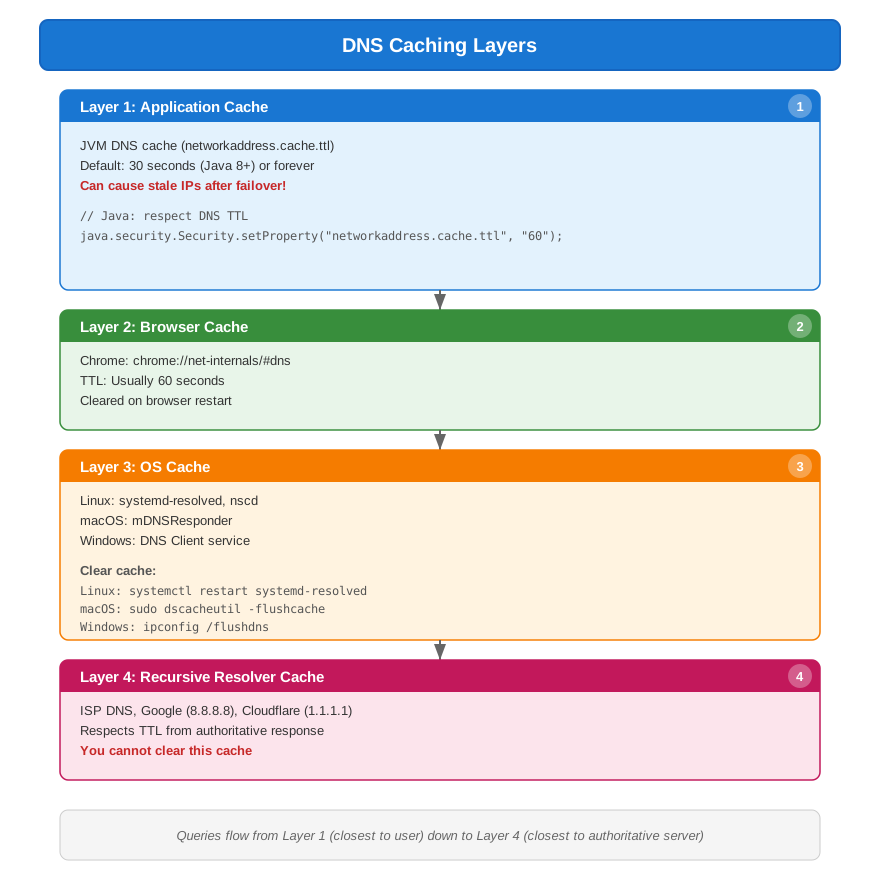
DNS Caching Layers
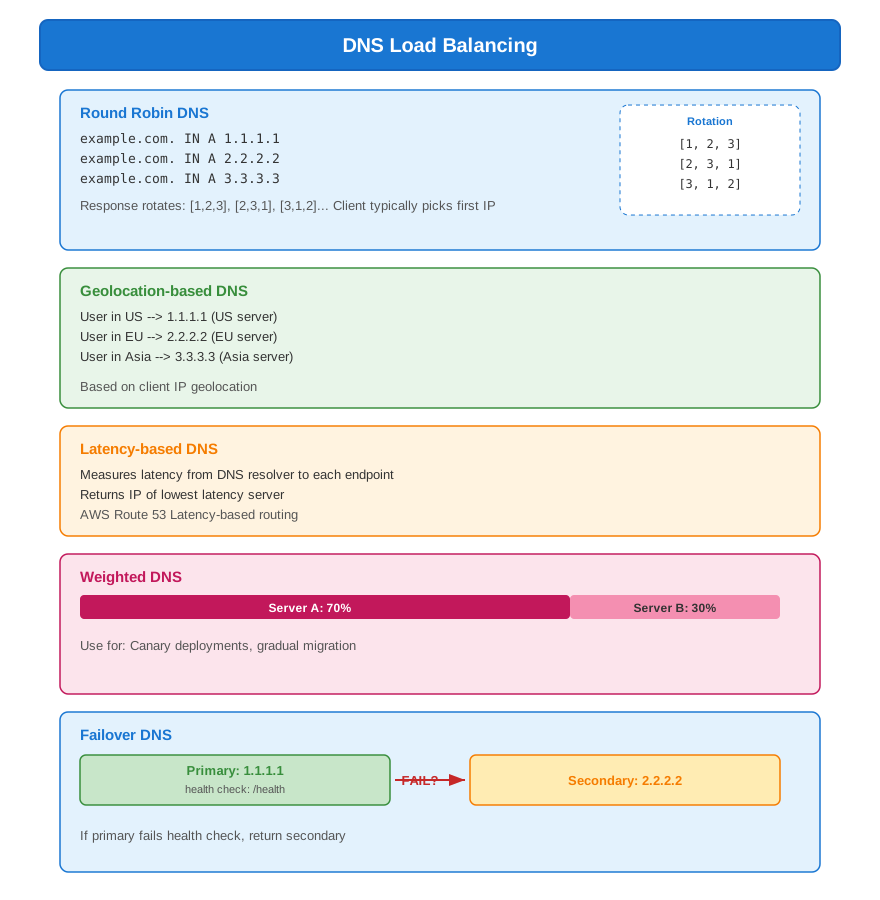
DNS Load Balancing
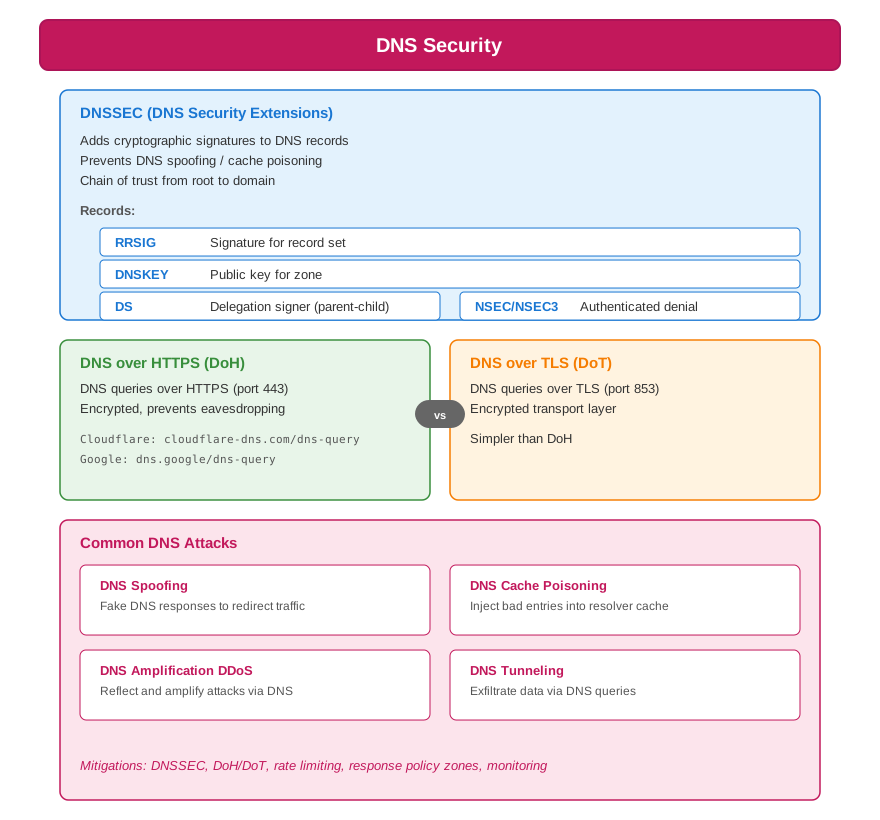
DNS Security
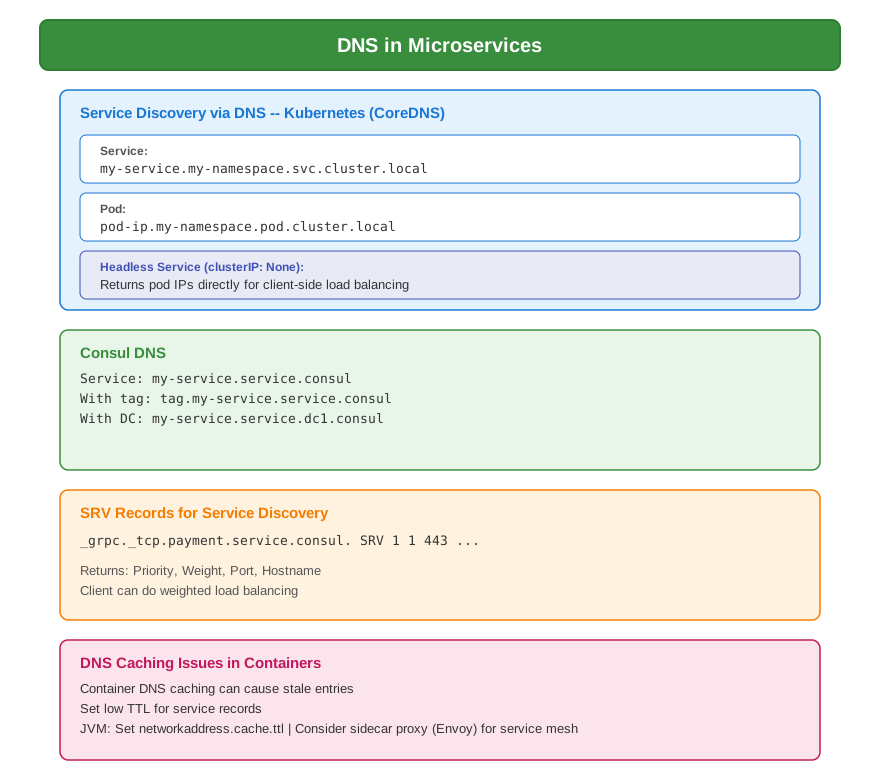
DNS for Microservices
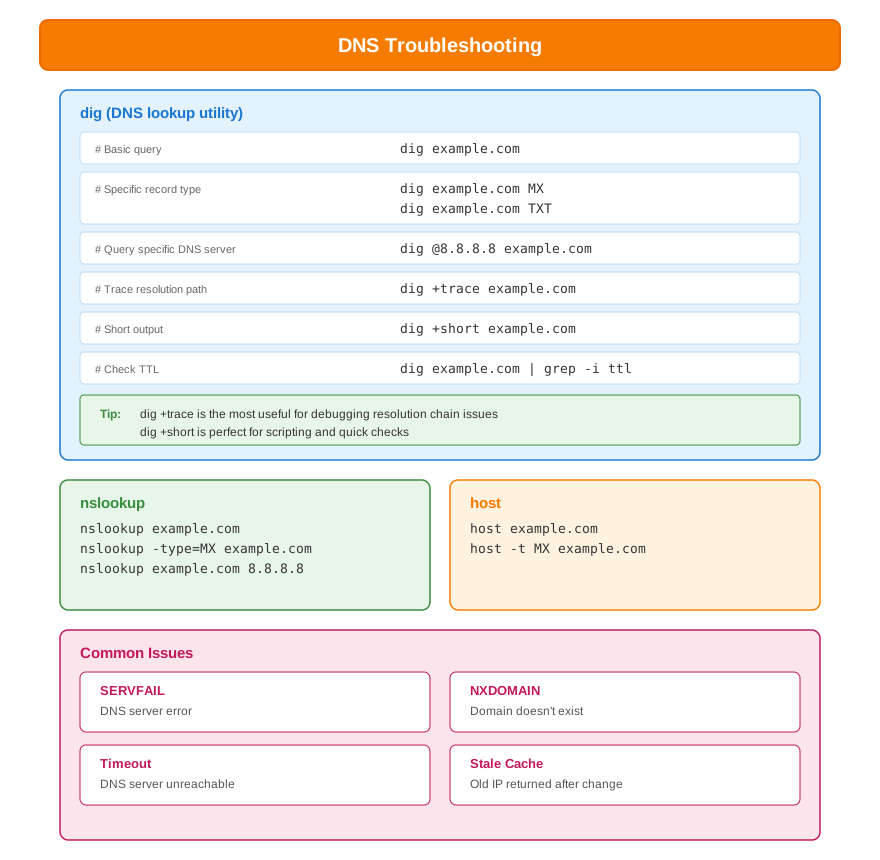
DNS Troubleshooting
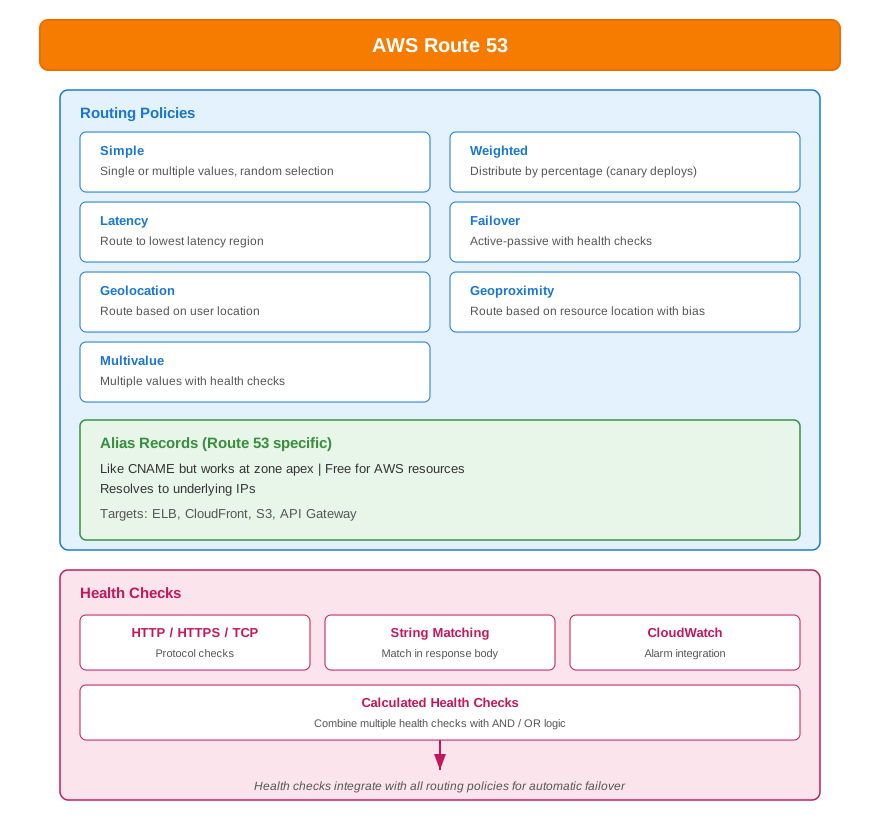
AWS Route 53
Interview Questions
- How does DNS resolution work?
- Browser → OS → Recursive Resolver → Root → TLD → Authoritative
-
Caching at each level with TTL
-
CNAME vs A record?
- A: Points directly to IP
- CNAME: Alias to another domain
-
CNAME not allowed at zone apex
-
How to handle DNS failover?
- Health checks on primary
- Low TTL for quick propagation
-
Secondary record activated on primary failure
-
What is TTL and how do you choose it?
- Cache duration
- Low TTL: Fast changes, more queries
- High TTL: Fewer queries, slow changes
-
Lower TTL before migrations
-
How does DNS load balancing work?
- Round robin: Multiple A records
- Geo: Different IPs by location
-
Limitations: Client caching, no health awareness
-
DNS propagation delay causes?
- TTL of old record
- Multiple caching layers
- Resolver compliance varies
- *