Subscription Billing System
Problem Statement
Design a subscription billing system that handles recurring payments, plan management, trials, proration, and dunning (failed payment recovery). Think Stripe Billing, Chargebee, or Recurly.
Requirements
Functional Requirements
- Create and manage subscription plans (pricing, intervals, features)
- Handle customer subscriptions (create, upgrade, downgrade, cancel)
- Support trial periods
- Prorate charges on plan changes
- Generate invoices automatically
- Process recurring payments
- Handle failed payments with retry logic (dunning)
- Support coupons and discounts
- Usage-based billing (metered billing)
- Provide billing portal for customers
Non-Functional Requirements
- Reliability: Billing must be accurate (money involved)
- Consistency: No duplicate charges, no missed charges
- Scalability: Handle millions of subscriptions
- Auditability: Complete billing history
- Flexibility: Support various billing models
High-Level Architecture
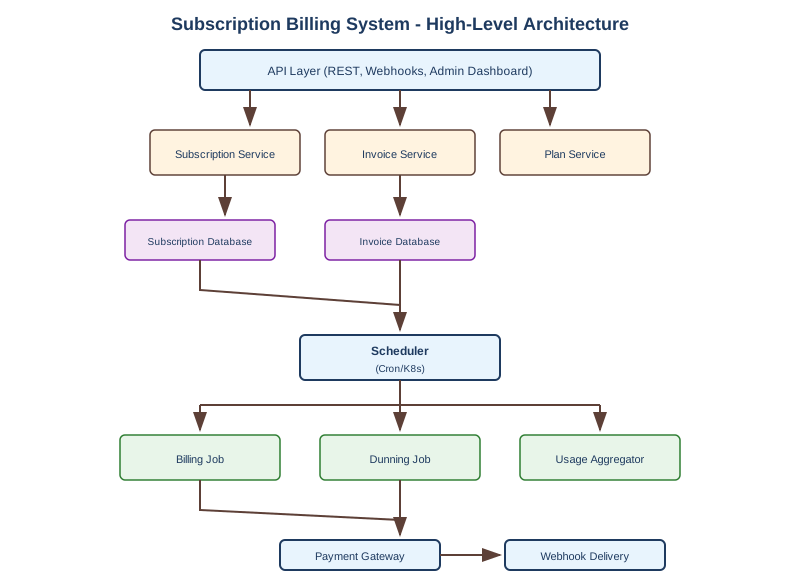
Core Components
1. Plan Service
- Define pricing tiers and features
- Support multiple billing intervals (monthly, yearly)
- Handle plan versioning
- Manage feature flags per plan
2. Subscription Service
- Manage subscription lifecycle
- Handle plan changes (upgrade/downgrade)
- Calculate proration
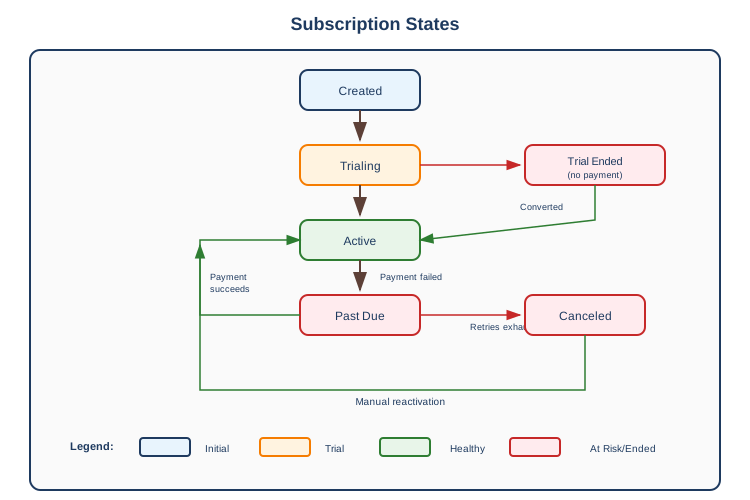
- Track subscription status
3. Invoice Service
- Generate invoices on billing cycle
- Apply discounts and credits
- Calculate taxes
- Track payment status
4. Billing Job (Scheduler)
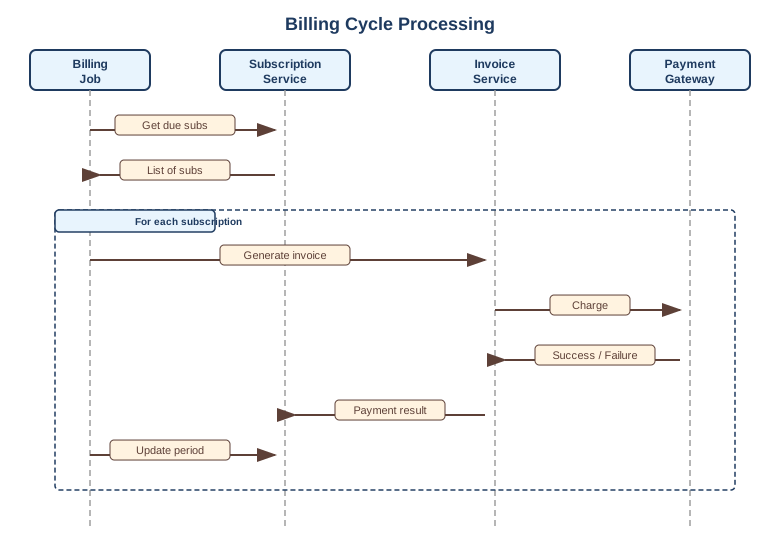
- Run daily to find due subscriptions
- Generate invoices
- Trigger payment processing
- Handle timezone considerations
5. Dunning Service
- Retry failed payments
- Send payment failure notifications
- Implement retry schedule
- Handle subscription suspension/cancellation
6. Usage Aggregator
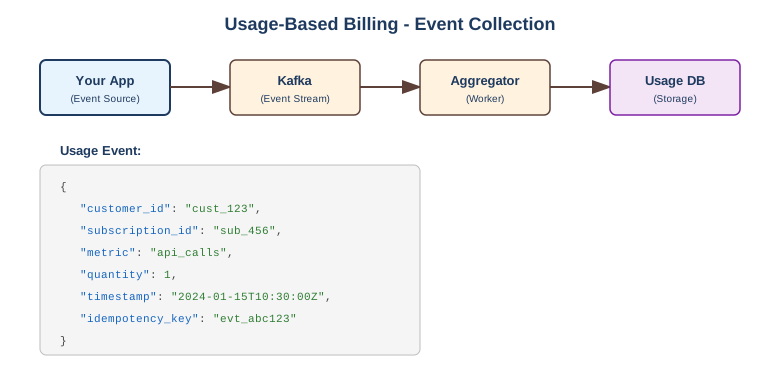
- Collect usage events
- Aggregate for metered billing
- Calculate usage-based charges
Subscription Lifecycle
Data Models
Plan
CREATE TABLE plans (
    id                  UUID PRIMARY KEY,
    name                VARCHAR(255) NOT NULL,
    description         TEXT,

    -- Pricing
    amount              BIGINT NOT NULL,        -- In cents
    currency            VARCHAR(3) NOT NULL,
    interval            VARCHAR(20) NOT NULL,   -- day, week, month, year
    interval_count      INT DEFAULT 1,          -- e.g., 2 for bi-weekly

    -- Trial
    trial_period_days   INT DEFAULT 0,

    -- Features
    features            JSONB,

    -- Metadata
    active              BOOLEAN DEFAULT true,
    created_at          TIMESTAMP NOT NULL,
    updated_at          TIMESTAMP NOT NULL
);

-- Plan versioning for existing subscriptions
CREATE TABLE plan_versions (
    id                  UUID PRIMARY KEY,
    plan_id             UUID NOT NULL,
    version             INT NOT NULL,
    amount              BIGINT NOT NULL,
    currency            VARCHAR(3) NOT NULL,
    effective_from      TIMESTAMP NOT NULL,

    FOREIGN KEY (plan_id) REFERENCES plans(id),
    UNIQUE(plan_id, version)
);
Subscription
CREATE TABLE subscriptions (
    id                      UUID PRIMARY KEY,
    customer_id             UUID NOT NULL,
    plan_id                 UUID NOT NULL,
    plan_version            INT NOT NULL,

    -- Status
    status                  VARCHAR(20) NOT NULL,   -- trialing, active, past_due, canceled, paused

    -- Billing cycle
    current_period_start    TIMESTAMP NOT NULL,
    current_period_end      TIMESTAMP NOT NULL,
    billing_cycle_anchor    TIMESTAMP NOT NULL,     -- When billing cycle starts

    -- Trial
    trial_start             TIMESTAMP,
    trial_end               TIMESTAMP,

    -- Cancellation
    cancel_at_period_end    BOOLEAN DEFAULT false,
    canceled_at             TIMESTAMP,
    ended_at                TIMESTAMP,

    -- Payment
    default_payment_method  UUID,

    -- Metadata
    metadata                JSONB,
    created_at              TIMESTAMP NOT NULL,
    updated_at              TIMESTAMP NOT NULL,

    FOREIGN KEY (customer_id) REFERENCES customers(id),
    FOREIGN KEY (plan_id) REFERENCES plans(id)
);

CREATE INDEX idx_subscriptions_customer ON subscriptions(customer_id);
CREATE INDEX idx_subscriptions_status ON subscriptions(status);
CREATE INDEX idx_subscriptions_period_end ON subscriptions(current_period_end);
Invoice
CREATE TABLE invoices (
    id                  UUID PRIMARY KEY,
    customer_id         UUID NOT NULL,
    subscription_id     UUID,

    -- Invoice details
    number              VARCHAR(50) UNIQUE,
    status              VARCHAR(20) NOT NULL,   -- draft, open, paid, void, uncollectible

    -- Amounts
    subtotal            BIGINT NOT NULL,
    tax                 BIGINT DEFAULT 0,
    discount            BIGINT DEFAULT 0,
    total               BIGINT NOT NULL,
    amount_paid         BIGINT DEFAULT 0,
    amount_due          BIGINT NOT NULL,
    currency            VARCHAR(3) NOT NULL,

    -- Period
    period_start        TIMESTAMP,
    period_end          TIMESTAMP,

    -- Payment
    due_date            TIMESTAMP,
    paid_at             TIMESTAMP,
    payment_intent_id   UUID,

    -- Dunning
    attempt_count       INT DEFAULT 0,
    next_payment_attempt TIMESTAMP,

    -- Timestamps
    created_at          TIMESTAMP NOT NULL,
    finalized_at        TIMESTAMP,

    FOREIGN KEY (customer_id) REFERENCES customers(id),
    FOREIGN KEY (subscription_id) REFERENCES subscriptions(id)
);

CREATE TABLE invoice_line_items (
    id                  UUID PRIMARY KEY,
    invoice_id          UUID NOT NULL,
    subscription_id     UUID,

    -- Line item details
    description         TEXT NOT NULL,
    quantity            INT DEFAULT 1,
    unit_amount         BIGINT NOT NULL,
    amount              BIGINT NOT NULL,
    currency            VARCHAR(3) NOT NULL,

    -- Period (for prorations)
    period_start        TIMESTAMP,
    period_end          TIMESTAMP,

    -- Type
    type                VARCHAR(20) NOT NULL,   -- subscription, usage, one_time, proration
    proration           BOOLEAN DEFAULT false,

    FOREIGN KEY (invoice_id) REFERENCES invoices(id)
);
Key Flows
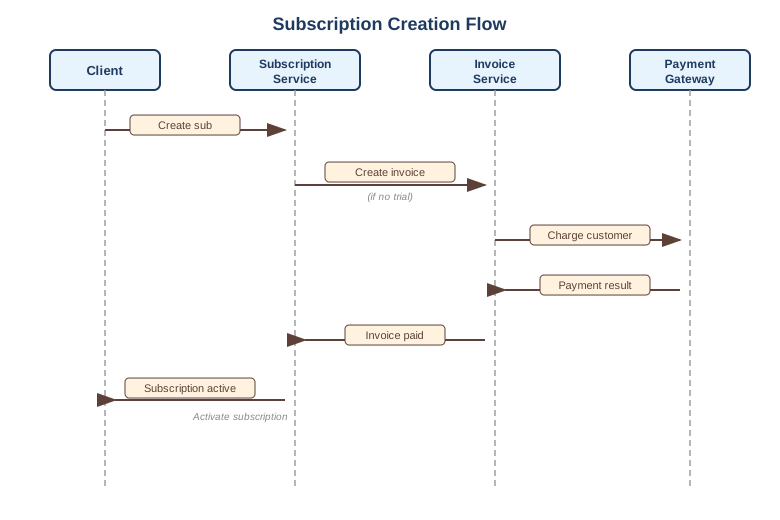
1. Subscription Creation
2. Billing Cycle Processing
3. Plan Change (Proration)
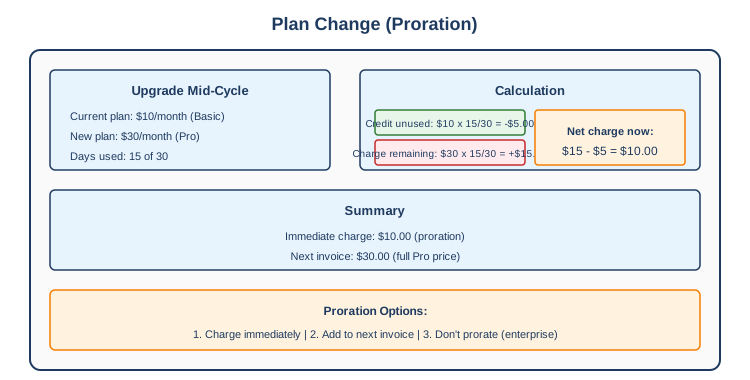
public class ProrationCalculator {

    public ProrationResult calculate(
            Subscription subscription,
            Plan oldPlan,
            Plan newPlan,
            Instant changeTime
    ) {
        // Calculate remaining days in period
        Duration periodLength = Duration.between(
            subscription.getCurrentPeriodStart(),
            subscription.getCurrentPeriodEnd()
        );
        Duration usedTime = Duration.between(
            subscription.getCurrentPeriodStart(),
            changeTime
        );
        Duration remainingTime = periodLength.minus(usedTime);

        double usedRatio = (double) usedTime.toDays() / periodLength.toDays();
        double remainingRatio = 1.0 - usedRatio;

        // Credit for unused old plan
        long credit = Math.round(oldPlan.getAmount() * remainingRatio);

        // Charge for remaining new plan
        long charge = Math.round(newPlan.getAmount() * remainingRatio);

        return new ProrationResult(credit, charge, charge - credit);
    }
}
Dunning (Failed Payment Recovery)
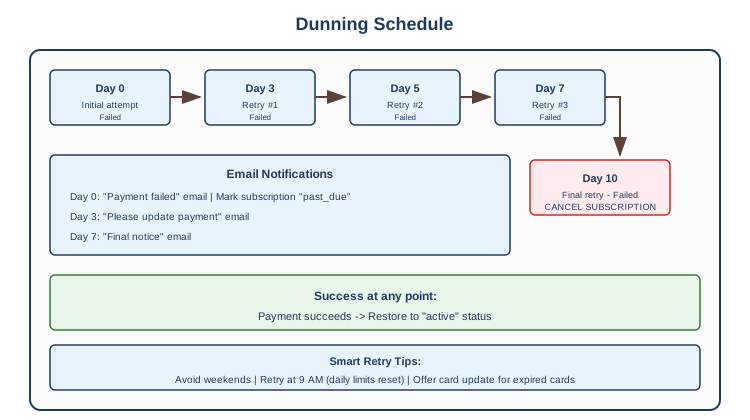
Retry Schedule
Dunning Configuration
CREATE TABLE dunning_schedules (
    id                  UUID PRIMARY KEY,
    merchant_id         UUID,

    -- Retry attempts
    retry_intervals     INT[] NOT NULL,     -- [3, 2, 2, 3] = retry on day 3, 5, 7, 10
    max_attempts        INT NOT NULL,

    -- Actions
    cancel_after_failure BOOLEAN DEFAULT true,
    notify_customer     BOOLEAN DEFAULT true,

    created_at          TIMESTAMP NOT NULL
);
Smart Retry
public class SmartDunning {

    // Retry at optimal times based on historical success
    public Instant calculateNextRetryTime(Invoice invoice) {
        // Don't retry on weekends
        Instant nextRetry = invoice.getDueDate()
            .plus(dunningSchedule.getRetryInterval(invoice.getAttemptCount()));

        while (isWeekend(nextRetry)) {
            nextRetry = nextRetry.plus(Duration.ofDays(1));
        }

        // Retry at time of day with highest success rate
        // (typically morning, when daily limits reset)
        return nextRetry.atZone(customerTimezone)
            .withHour(9)
            .withMinute(0)
            .toInstant();
    }

    // Update card details prompts
    public void handleFailure(Invoice invoice, PaymentError error) {
        if (error.isCardExpired() || error.isInvalidCard()) {
            sendCardUpdateRequest(invoice.getCustomer());
        } else if (error.isInsufficientFunds()) {
            // Retry later with smaller amount option
            offerPartialPayment(invoice);
        }
    }
}
Usage-Based Billing
Event Collection
Aggregation
-- Pre-aggregated usage per hour
CREATE TABLE usage_aggregates (
    id                  UUID PRIMARY KEY,
    subscription_id     UUID NOT NULL,
    metric              VARCHAR(50) NOT NULL,
    hour                TIMESTAMP NOT NULL,     -- Truncated to hour
    quantity            BIGINT NOT NULL,

    UNIQUE(subscription_id, metric, hour)
);

-- Query for billing period
SELECT
    metric,
    SUM(quantity) as total_quantity
FROM usage_aggregates
WHERE subscription_id = ?
AND hour >= period_start
AND hour < period_end
GROUP BY metric;
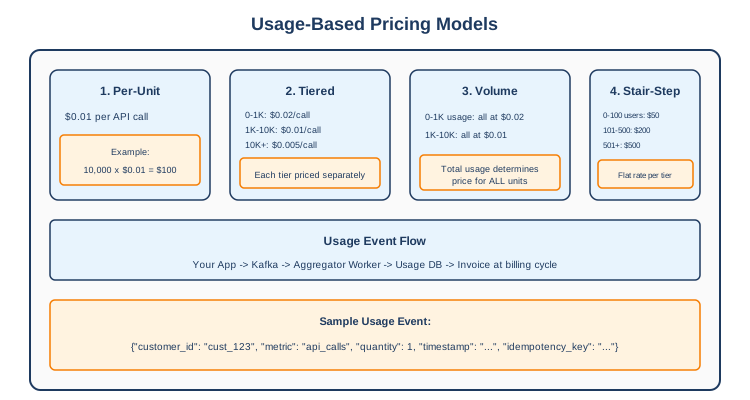
Pricing Models
Billing Schedule
Daily Billing Job
@Scheduled(cron = "0 0 6 * * *")  // Run at 6 AM daily
public void processBillingCycle() {
    // Process in batches by timezone to bill at local midnight
    for (String timezone : timezones) {
        LocalDate billingDate = LocalDate.now(ZoneId.of(timezone));

        // Find subscriptions due for billing
        List<Subscription> dueSubscriptions = subscriptionRepository
            .findByCurrentPeriodEndBeforeAndStatus(
                billingDate.atStartOfDay(ZoneId.of(timezone)).toInstant(),
                SubscriptionStatus.ACTIVE
            );

        for (Subscription sub : dueSubscriptions) {
            try {
                processSubscription(sub);
            } catch (Exception e) {
                // Log and continue with next subscription
                alerting.notify("Billing failed for " + sub.getId(), e);
            }
        }
    }
}

private void processSubscription(Subscription subscription) {
    // 1. Generate invoice
    Invoice invoice = invoiceService.generate(subscription);

    // 2. Attempt payment
    PaymentResult result = paymentGateway.charge(
        subscription.getCustomer(),
        invoice.getAmountDue()
    );

    if (result.isSuccess()) {
        // 3a. Mark paid and advance period
        invoiceService.markPaid(invoice, result);
        subscriptionService.advancePeriod(subscription);
        webhookService.send(subscription.getCustomer(), "invoice.paid", invoice);
    } else {
        // 3b. Start dunning process
        invoiceService.markFailed(invoice, result);
        subscriptionService.markPastDue(subscription);
        dunningService.schedule(invoice);
        webhookService.send(subscription.getCustomer(), "invoice.payment_failed", invoice);
    }
}
Scalability Considerations
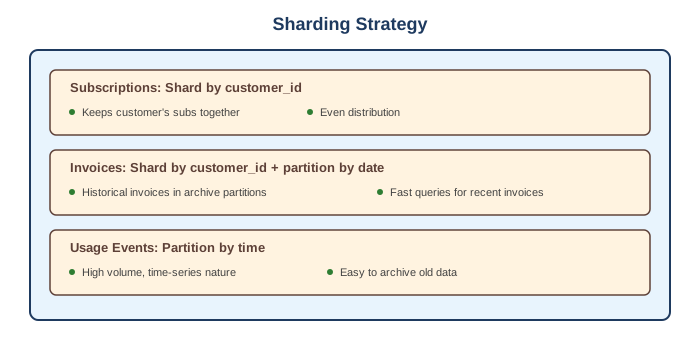
Partitioning Strategy
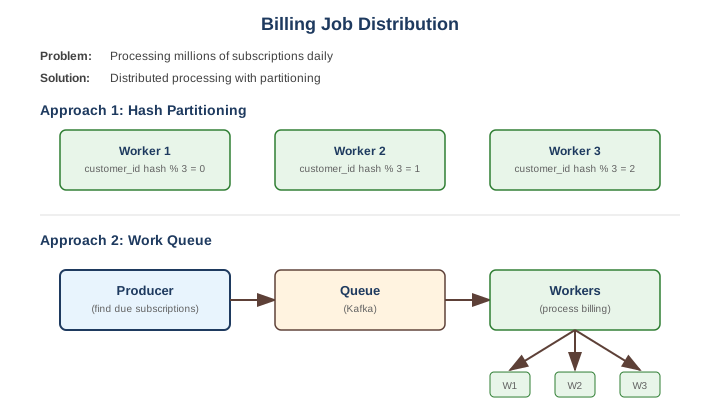
Billing Job Distribution
Technology Choices
| Component | Technology Options |
|---|---|
| API | REST, GraphQL |
| Primary Database | PostgreSQL, MySQL |
| Queue | Kafka, SQS, RabbitMQ |
| Scheduler | Kubernetes CronJob, Temporal, Quartz |
| Cache | Redis |
| Payment Gateway | Stripe, Braintree, Adyen |
| Monitoring | Datadog, Prometheus |
Interview Discussion Points
- How do you handle timezone complexity?
-
Bill at customer's local midnight, use billing_cycle_anchor
-
How do you ensure no duplicate charges?
-
Idempotency keys, atomic updates, deduplication in invoice generation
-
How do you handle plan changes?
-
Proration strategies, effective date handling
-
What if billing job fails mid-run?
-
Idempotent operations, checkpointing, dead letter queue
-
How do you scale for millions of subscriptions?
-
Distributed workers, partitioned queues, database sharding
-
How do you handle refunds?
- Credit notes, prorated refunds, wallet balance