Twitter Timeline System
Quick Reference Guide for System Design Interviews
Problem Statement
Design Twitter's core functionality: users can post tweets, follow other users, and see a timeline of tweets from users they follow. The system should handle high read and write throughput with low latency.
Requirements
Functional Requirements
- Post tweets (280 characters, media optional)
- Follow/unfollow users
- Home timeline (tweets from followed users)
- User timeline (user's own tweets)
- Like, retweet, reply to tweets
- Search tweets
Non-Functional Requirements
- Latency: < 200ms for timeline
- Availability: 99.99%
- Scale: 500M users, 300M DAU
- Consistency: Eventually consistent (acceptable)
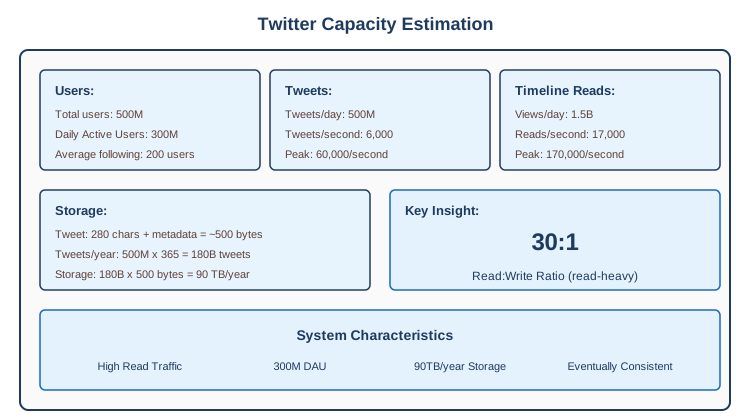
Back of Envelope Estimation
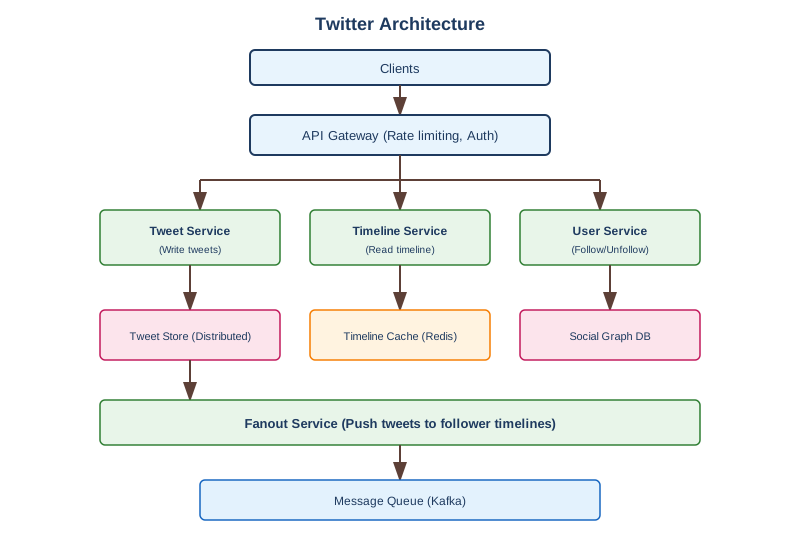
High-Level Architecture
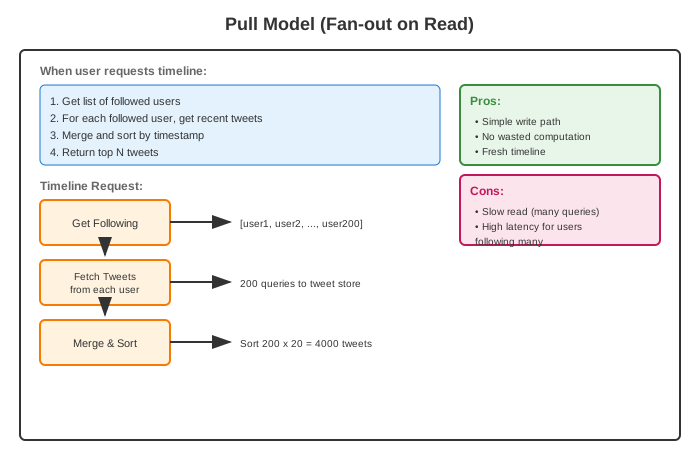
Timeline Generation Approaches
Approach 1: Pull Model (Fan-out on Read)
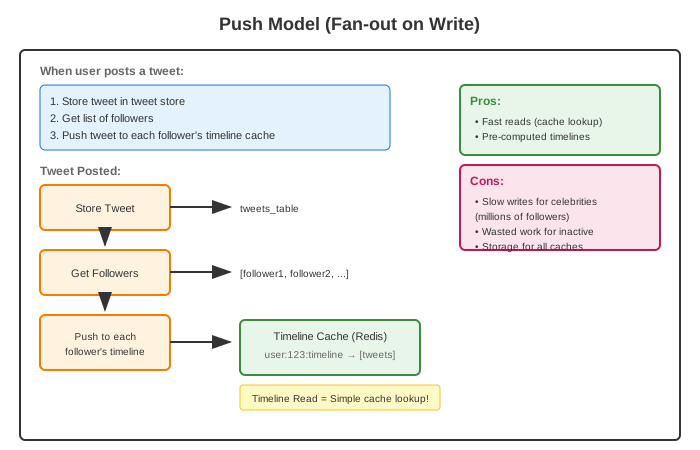
Approach 2: Push Model (Fan-out on Write)
Approach 3: Hybrid Model (Recommended)

Data Models
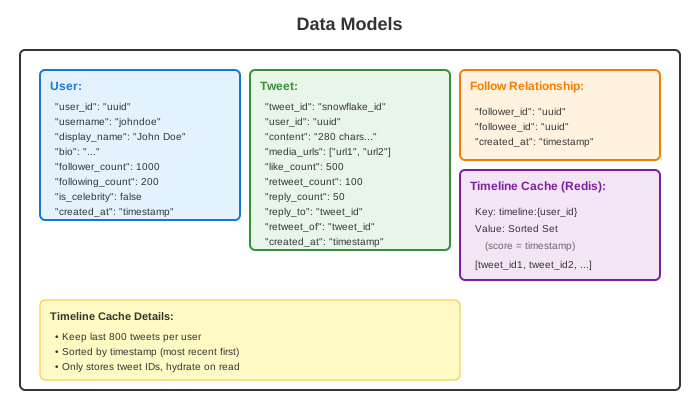
Database Schema
-- Users table
CREATE TABLE users (
    user_id         UUID PRIMARY KEY,
    username        VARCHAR(50) UNIQUE NOT NULL,
    display_name    VARCHAR(100),
    bio             VARCHAR(500),
    follower_count  BIGINT DEFAULT 0,
    following_count BIGINT DEFAULT 0,
    is_celebrity    BOOLEAN DEFAULT FALSE,
    created_at      TIMESTAMP NOT NULL
);

-- Tweets table (sharded by user_id)
CREATE TABLE tweets (
    tweet_id        BIGINT PRIMARY KEY,  -- Snowflake ID
    user_id         UUID NOT NULL,
    content         VARCHAR(280) NOT NULL,
    media_urls      TEXT[],
    reply_to        BIGINT,
    retweet_of      BIGINT,
    like_count      INT DEFAULT 0,
    retweet_count   INT DEFAULT 0,
    reply_count     INT DEFAULT 0,
    created_at      TIMESTAMP NOT NULL,

    INDEX idx_user_time (user_id, created_at DESC)
);

-- Follower relationship (graph database recommended)
CREATE TABLE follows (
    follower_id     UUID NOT NULL,
    followee_id     UUID NOT NULL,
    created_at      TIMESTAMP NOT NULL,

    PRIMARY KEY (follower_id, followee_id),
    INDEX idx_followee (followee_id)
);

-- Likes
CREATE TABLE likes (
    user_id         UUID NOT NULL,
    tweet_id        BIGINT NOT NULL,
    created_at      TIMESTAMP NOT NULL,

    PRIMARY KEY (user_id, tweet_id)
);
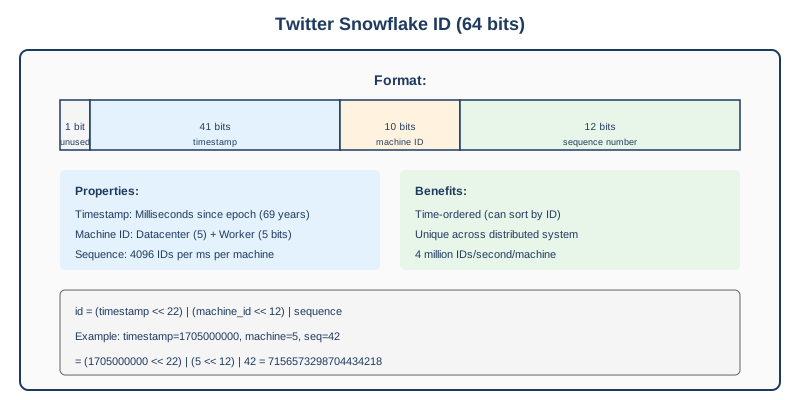
Snowflake ID Generation
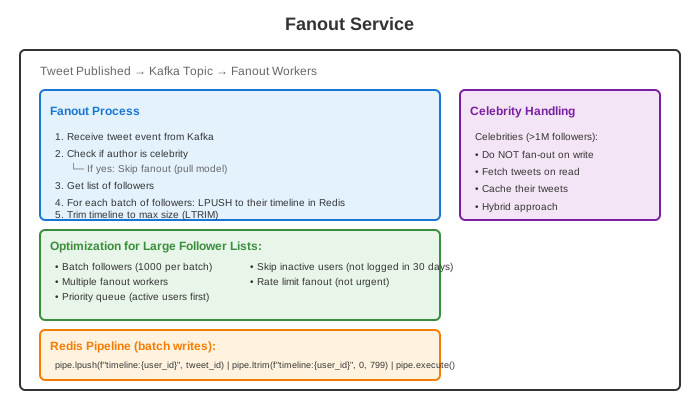
Fanout Service
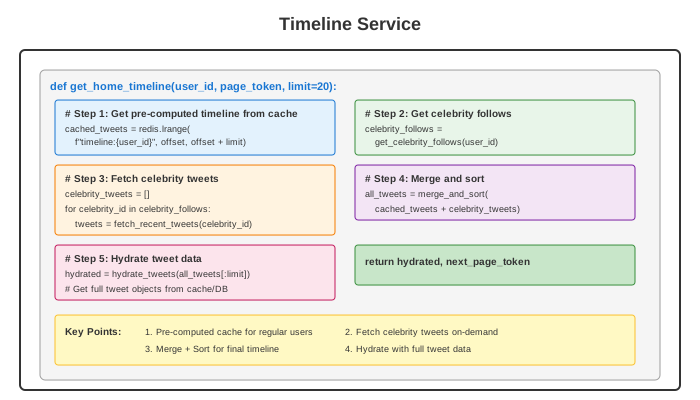
Timeline Service
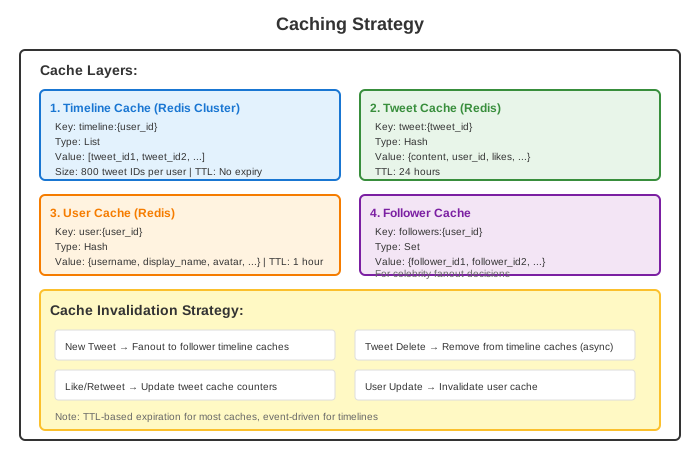
Caching Strategy
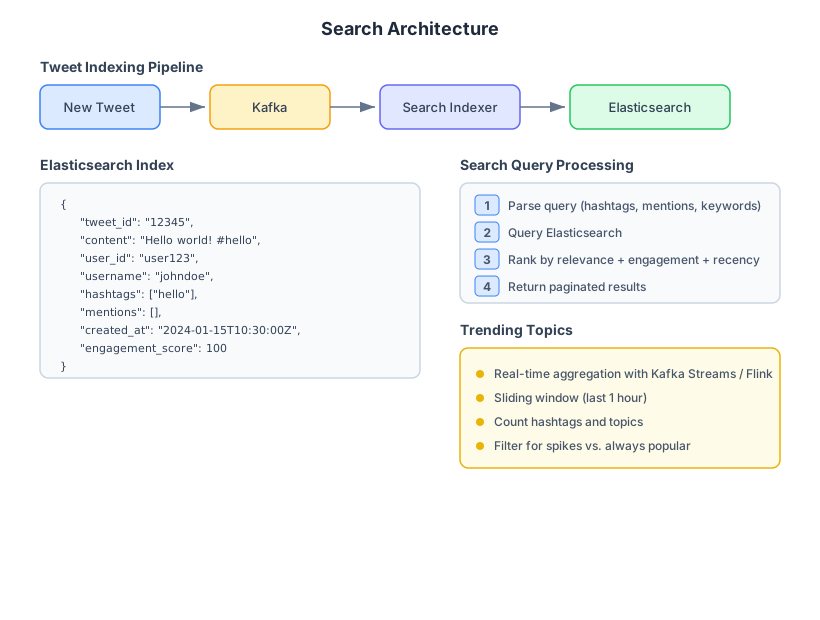
Search Architecture
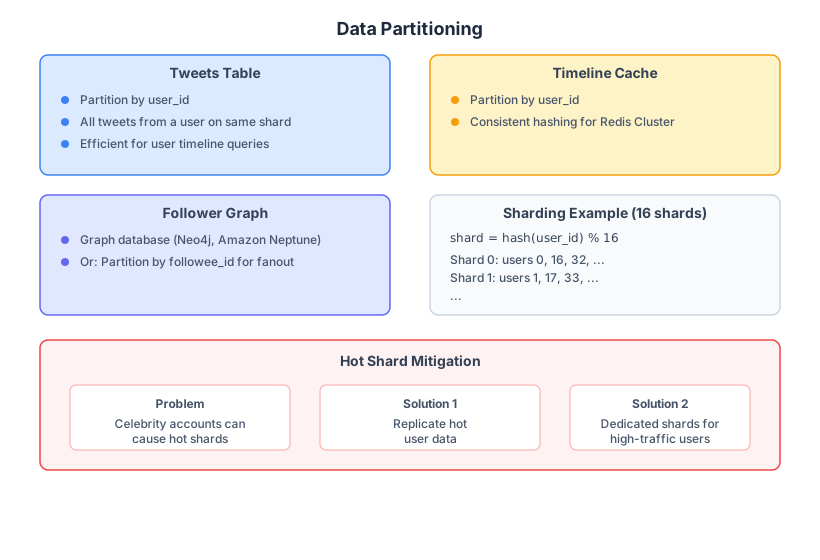
Data Partitioning
Interview Discussion Points
- Push vs Pull for timeline?
- Push for regular users (fast reads)
- Pull for celebrities (avoid slow writes)
-
Hybrid approach is best
-
How do you handle celebrities?
- Don't fan-out on write
- Fetch their tweets on timeline read
-
Cache their recent tweets
-
How do you generate unique tweet IDs?
- Snowflake IDs: time-ordered, distributed
-
64-bit, contains timestamp
-
How do you handle timeline pagination?
- Cursor-based with tweet_id
-
"Get tweets with ID < cursor"
-
How do you rank the timeline?
- Chronological (simple)
- ML-based ranking (engagement, relevance)
-
Mix of followed + recommended
-
How do you handle deletes?
- Soft delete in DB
- Async removal from timeline caches
- Eventual consistency acceptable
Quick Reference for System Design Interviews